
National News

Last year’s en-masse move to remote work has driven what Zillow has dubbed the Great Reshuffling, as homeowners working from home have paused and reevaluated where and how they live.
The increase was driven by a 21.6% month-over-month spike in the rate of new multifamily construction. Single-family housing starts, meanwhile, slid 2.8%.
September’s reading of 76 was up one point from August, despite lingering challenges with labor and the building-material supply chain, the National Association of Home Builders reported, citing the latest NAHB/Wells Fargo Housing Market Index.

Month over month, home sales were down 3.5%, and the median sale price declined 1.2% to $335,000.

The move marks the first step in the company’s plan to expand in the Southeast.

The Justice Department’s original complaint against the National Association of Realtors, filed Nov. 19, 2020, alleges that the association enforced rules and policies that illegally hampered competition in residential real estate services.

“The net result for housing is that these low and stable rates allow consumers more time to find the homes they are looking to purchase,” Freddie Mac Chief Economist Sam Khater said.

A decline in new home listings has had little impact on the market as far as demand is concerned, according to a recent Redfin report.
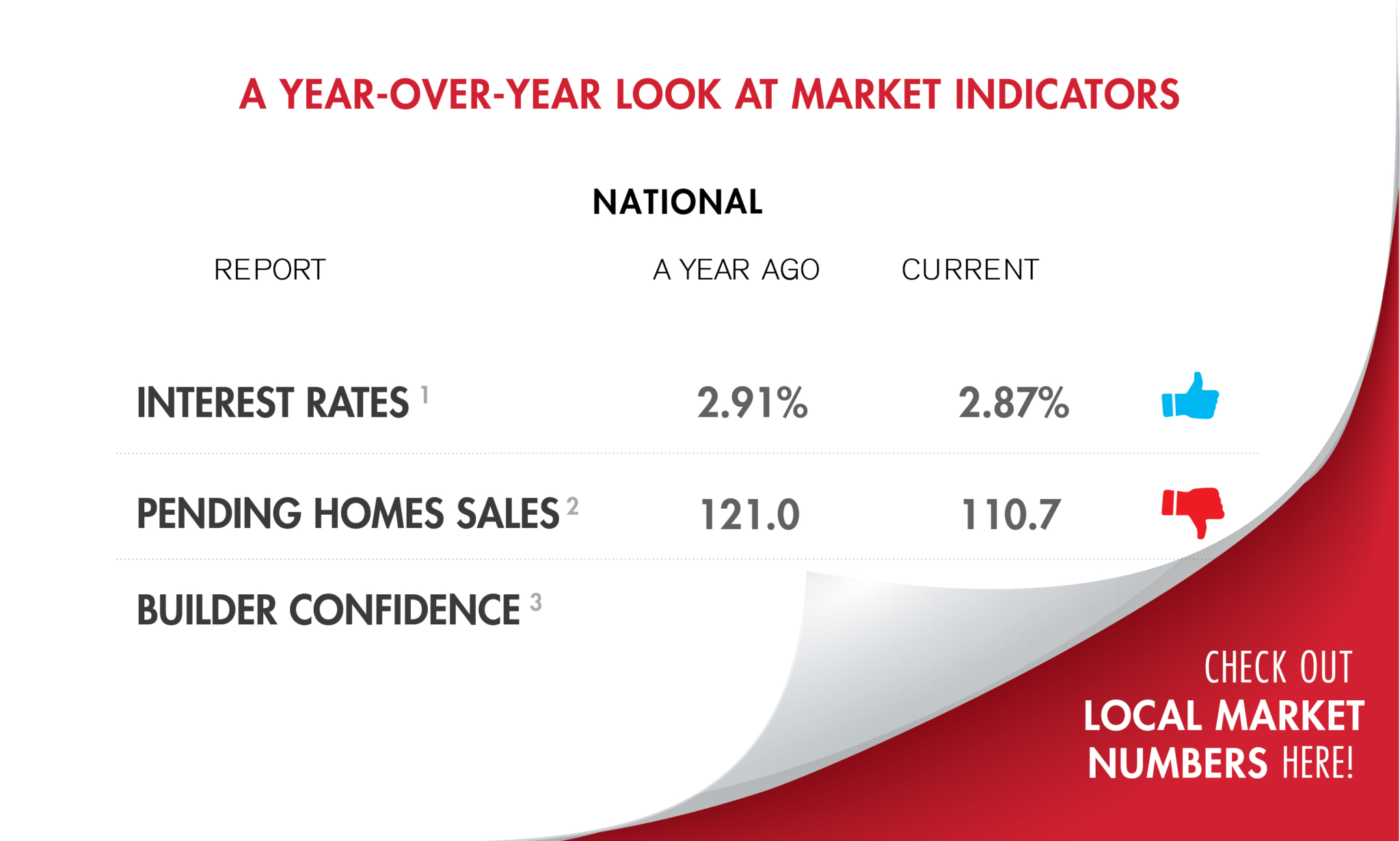
Both existing-home sales and housing inventory fell during August in Atlanta. But housing starts are up.

Over the past year, outer suburbs, or exurbs, have experienced a particularly intense boom. It’s those distant areas which saw the sharpest increase in interested buyers, according to Realtor.com.

Even as the real estate market is showing signs of cooling and more sellers are dropping asking prices, median home prices increased by double digits from last year.

The strategic partnership will initially target developments in six metro areas where both companies have a “significant or growing presence”: Atlanta; Austin, Texas; Boston; Denver, Orange County/San Diego, Calif.; and Seattle.

“Much of the home-sales growth is still occurring in the upper-end markets, while the mid- to lower-tier areas aren’t seeing as much growth because there are still too few starter-homes available.” — NAR chief economist Lawrence Yun

You might be surprised by the results of this survey.
“The bright spot in an otherwise underwhelming report comes from the increase in the overall number of permits issued, which can signal how much home construction is in the pipeline.” — First American deputy chief economist Odeta Kushi

After a Black real estate agent and his client were detained by police while viewing a house, the National Association of REALTORS® took a strong stance against the “deeply disturbing” incident of “racial profiling.”