
Current Market Data
Renters paid an average of $1,430 for one-bedroom apartments during the third quarter, an increase of 4.3% year over year.
The chief economist for the National Association of REALTORS® also predicts home prices will climb 4% compared to 2025.

At the same time, the average age of the first-time buyer hit an all-time high of 40, according to the 2025 Profile of Home Buyers and Sellers.

At the top of the list? WaterSense fixtures — the plumbing solution, which claims to reduce water use by more than 20%, increased in popularity by 289.6%.
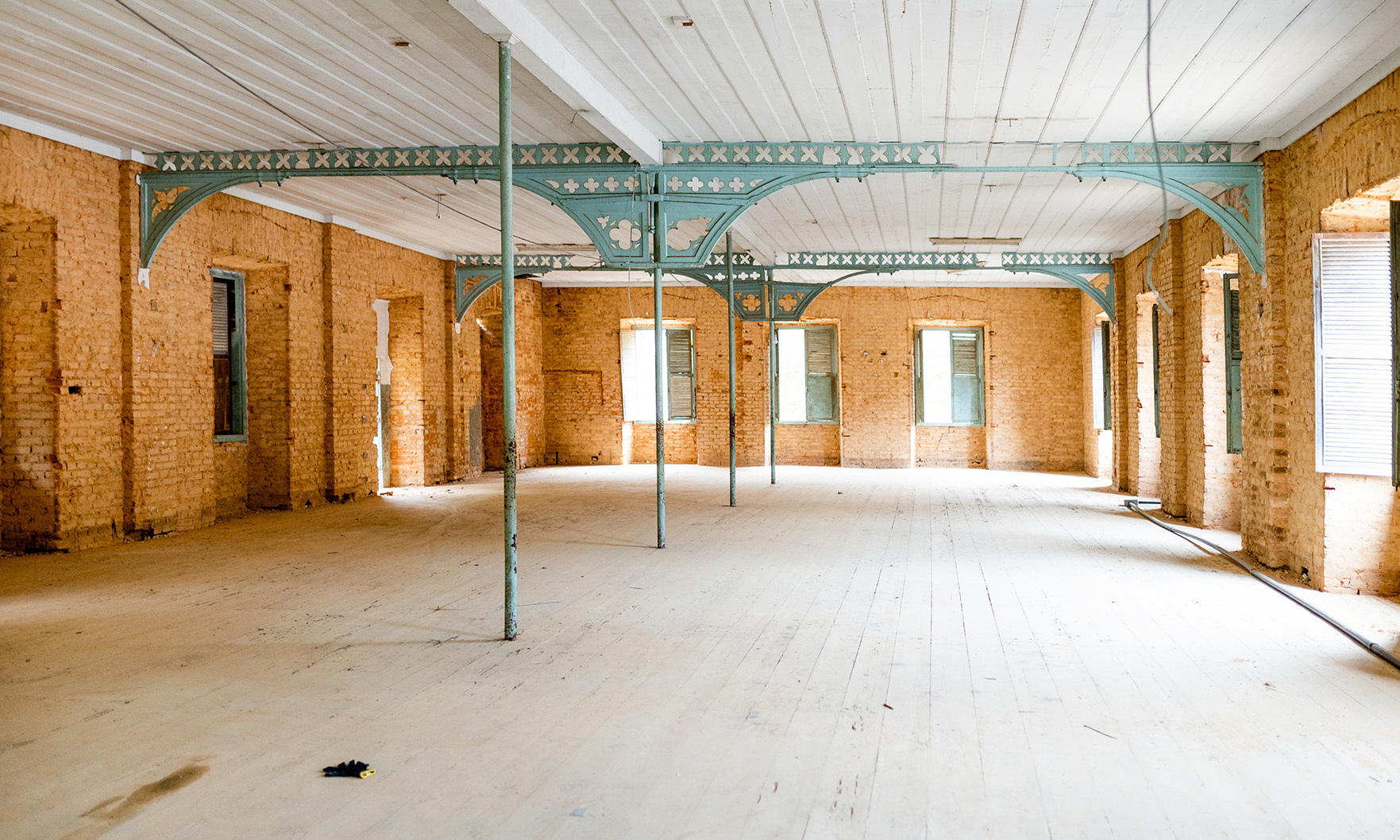
Atlanta has seen rapid growth in the sector and ranked No. 8 on the list. The pipeline hit 4,208 units in 2024 after increasing 44% from the year before.
The city offers buyers the most space per dollar in the nation for homes in the $1 to $2 million price range.
Nationwide, the median price for a single-family home increased 1.7% year over year to $426,800. Prices increased by the same annual rate during the second quarter.
Active listings in Atlanta grew by almost 20% in October as home prices continued to dip and sales slowed slightly, according to Georgia MLS.
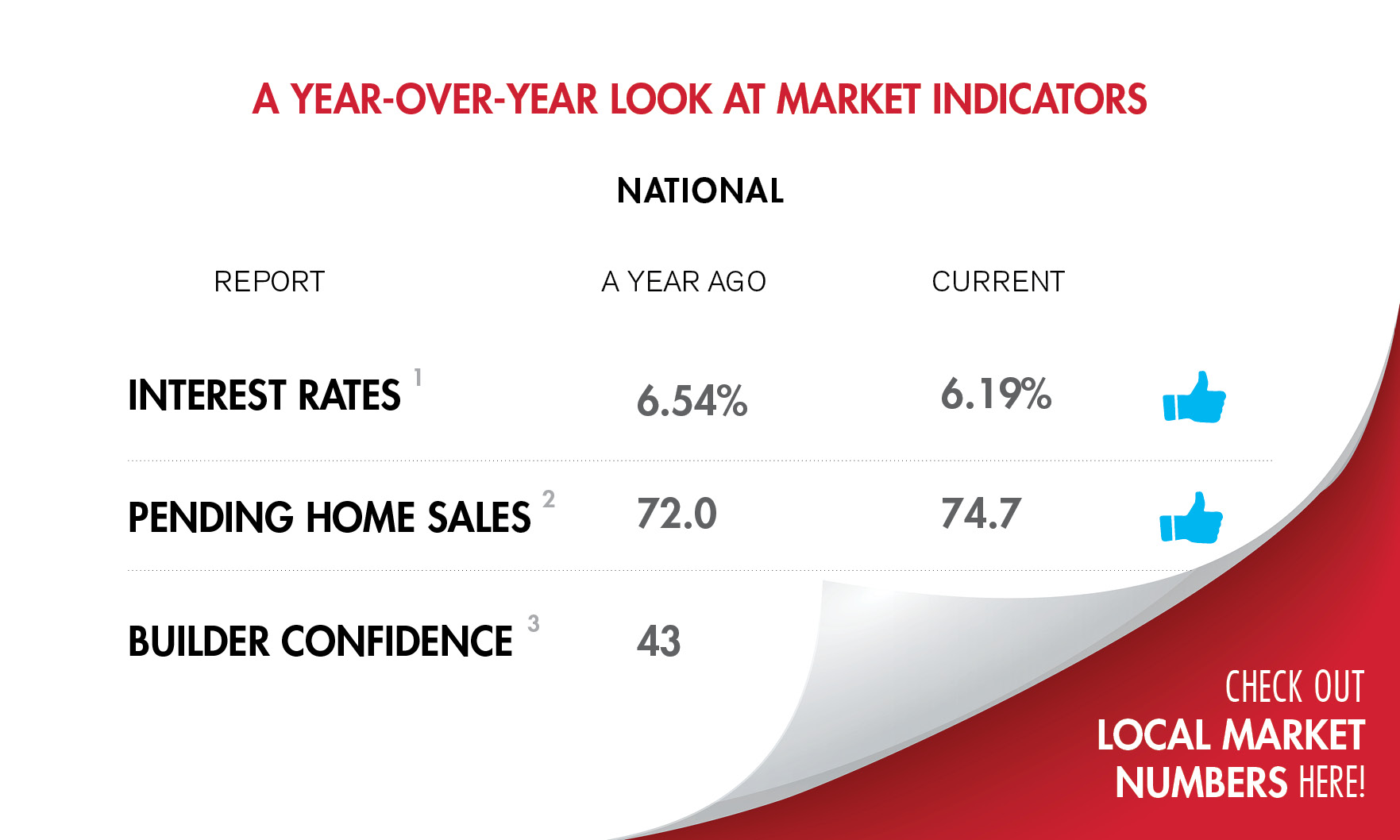
Home sales grew and inventory saw a boost in Atlanta last month, according to the latest Housing Scorecard.
How will the government shutdown hit the real estate market? Will big company mergers change the industry landscape? Economist Matthew Gardner is back answering those questions and more in his Q3 2025 Update with Agent Publishing Co-Founder Anne Hartnett.
Given the rate of sales, the nation had a 4.6-month housing supply, up from 4.2 months a year prior.
Nationally, home sales in the 52 metro areas surveyed by RE/MAX increased 8.5% year over year for the fourth time in 2025, but declined 4.6% month over month.

Tapping into Realtor intel, Zillow analyzed its listing database for keywords that are increasing most in popularity heading into the new year.
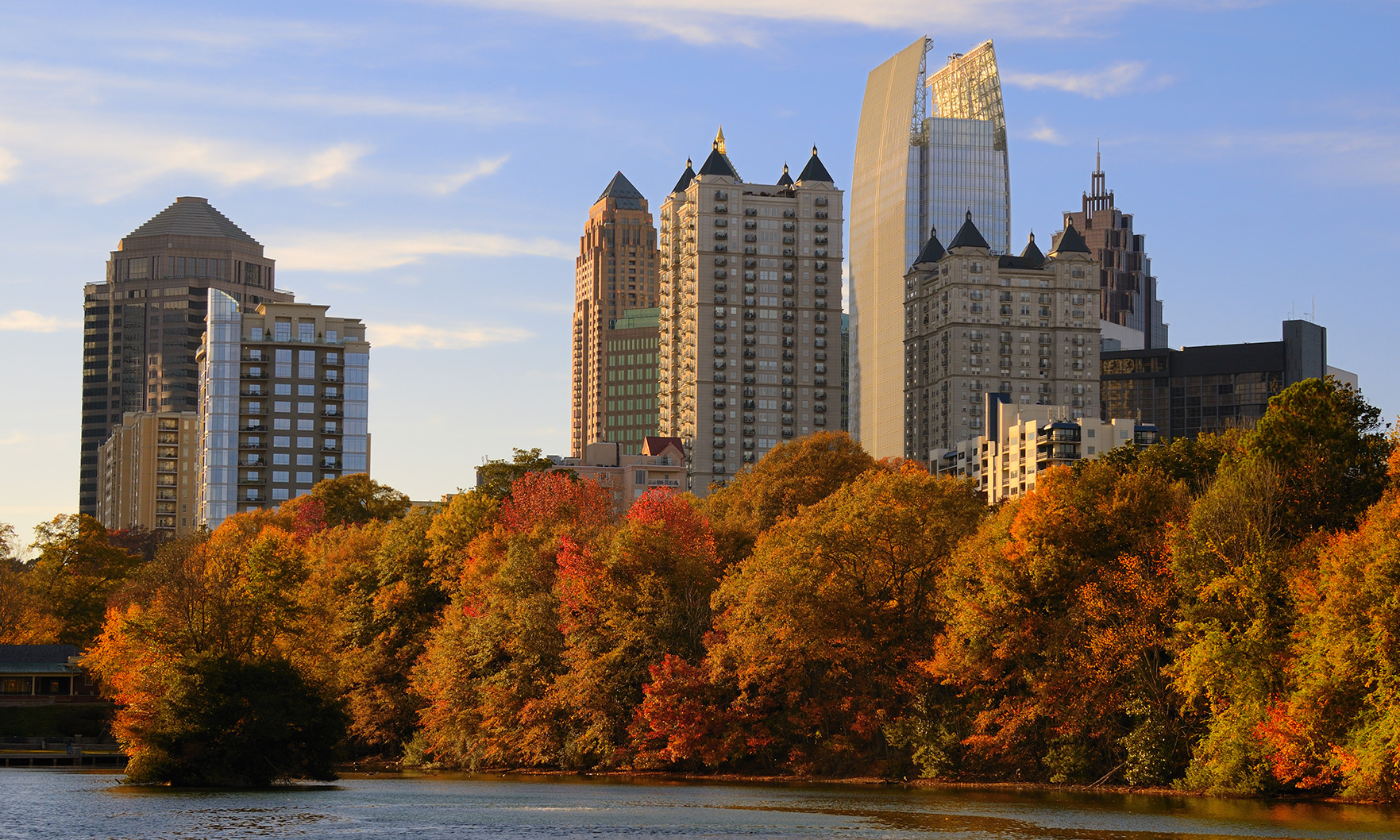
A 28% year-over-year bump boosted Atlanta’s housing inventory to a six-year high of 33,600 homes, according to new data from Homes.com.
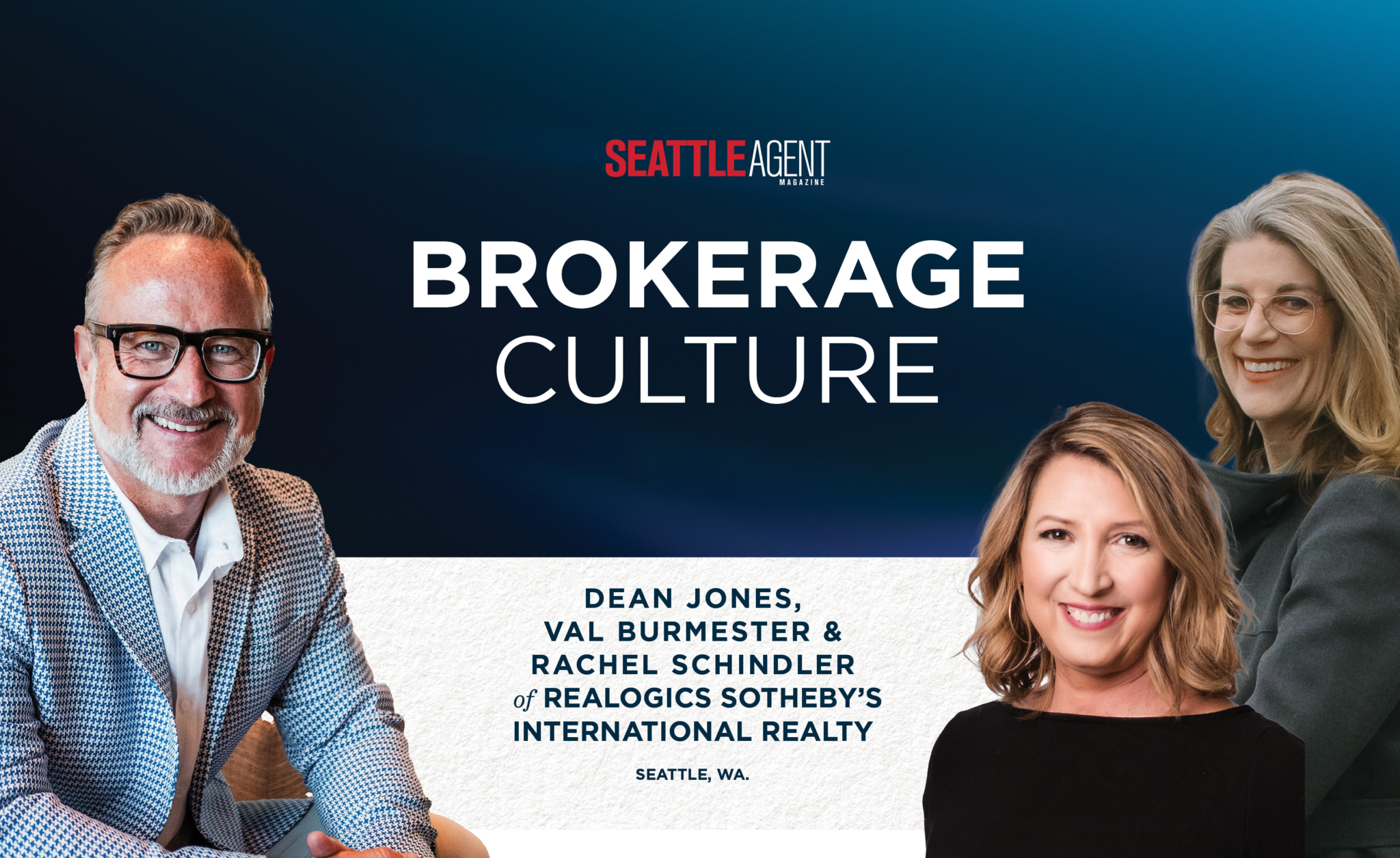
Agent Publishing Founder and Publisher Anne Hartnett discusses Brokerage Culture with Realogics Sotheby’s International Realty’s Val Burmester, Rachel Schindler and Dean Jones.
Qualities like access to fun fall activities helped boost Atlanta to the top.