
By the Numbers
The pace of home sales increased 1.3% from June after months of decreases, the National Association of REALTORS® said.

Closed sales rose 7.1% year over year to 7,147 transactions, according to the most recent RE/MAX National Housing Report.
The combination of rising inventory and price reductions in Atlanta and nationwide is creating a more buyer-friendly market.
The median sales price, meanwhile, was down month over month and up year over year.
The National Association of REALTORS® said its Pending Home Sales Index rose 4.8% month over month.

The city moved up one spot from its May ranking, despite a significant drop in sales, according to RE/MAX.
At the same time, sales fell almost 14% on both monthly and annual bases.
The record-breaking sales price comes as the pace of transactions slid from April, the National Association of REALTORS® said.
The city also ranked fifth for year-over-year increases in new listings, RE/MAX said, citing its National Housing Report.
Sales by unit, meanwhile, were up on a monthly basis but down on an annual one.
The S&P CoreLogic Case-Shiller U.S. National Home Price Index has hit a new record for six of the last 12 months, as demand remains strong in the face of tight inventory.

At the same time, the median price of a new home sold in April declined as well.

The city saw a 30.9% annual jump in new listings in April, placing it fifth among the top 50 U.S. markets covered in the latest RE/MAX National Housing Report.
New-home construction jumped 5.7% month over month after a soft March, according to the U.S. Census Bureau and the U.S. Department of Housing and Urban Development.
The pace of home sales continued to gain steam, as home prices gained ground as well, according to the latest Housing Market Snapshot from Georgia MLS.
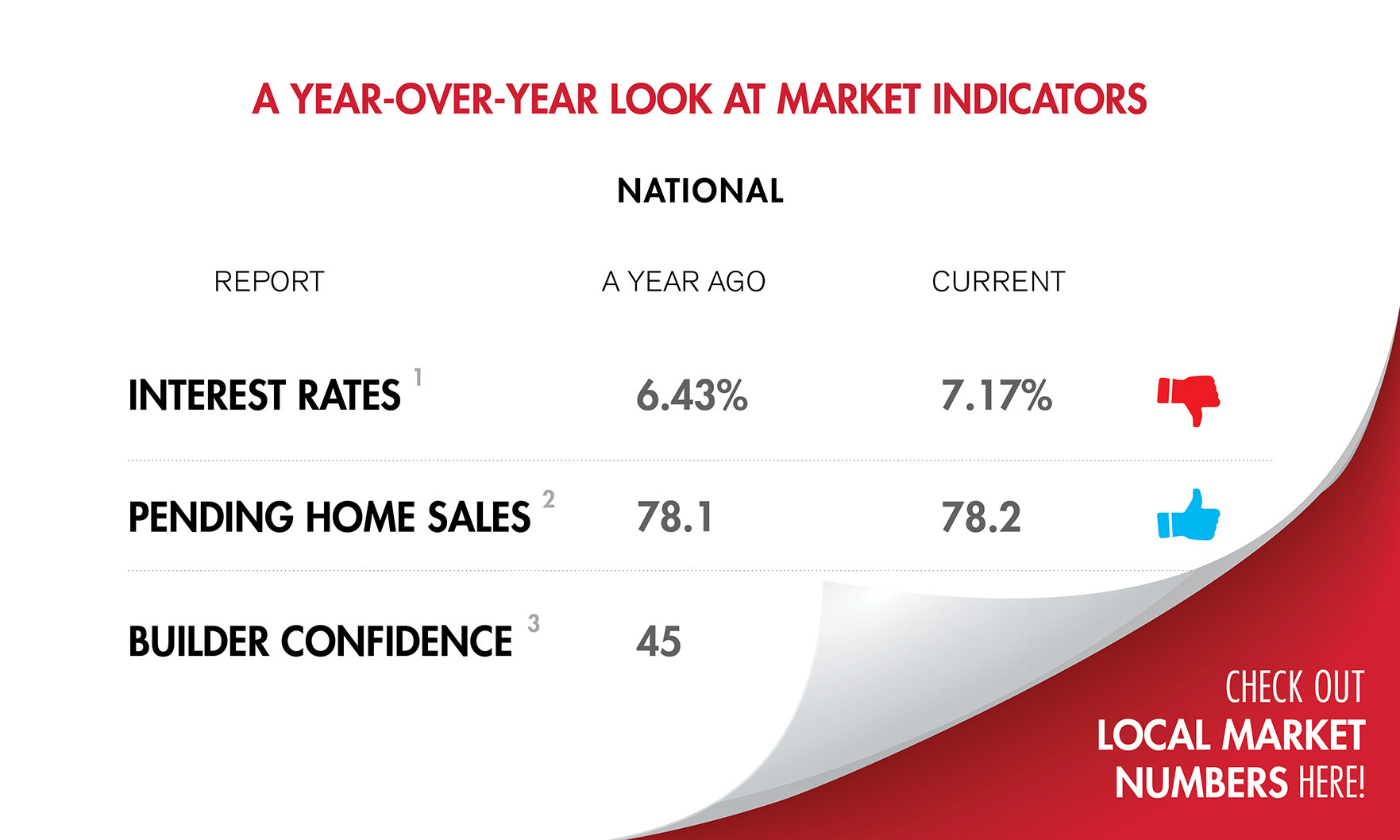
At the same time, home sales declined as days on market ticked higher.