
Current Market Data
Rising interest rates and home prices have taken a toll on would-be homebuyers’ purchasing power, leading to increased inventory and another monthly slowdown in sales.
Single-family home starts declined compared to February, while new apartment construction was up, according to government statistics.

Builder sentiment has taken a hit from an unexpectedly sharp increase in mortgage rates and continued disruptions in the supply chain, according to the National Association of Home Builders’ monthly survey.
Investor activity showed early signs of slowing during Q4 of 2021, down from the historic highs seen in the second and third quarter, CoreLogic’s latest analysis reveals.

Report finds buyers are backing off from buying second homes, but what’s causing the turnaround?
The 26.9% month-over-month gain follows a 12.6% increase in February.
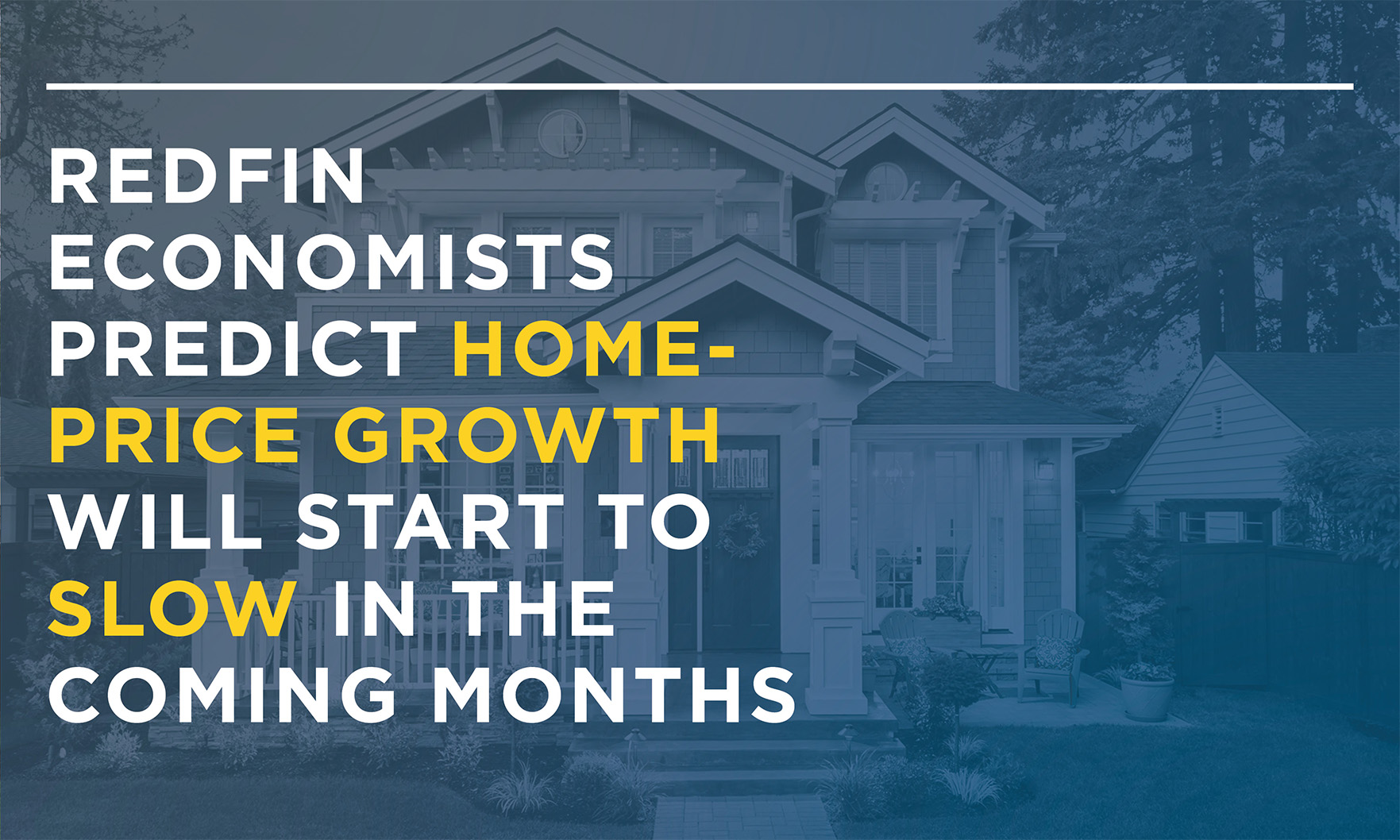
Surging mortgage prices deterring more buyers
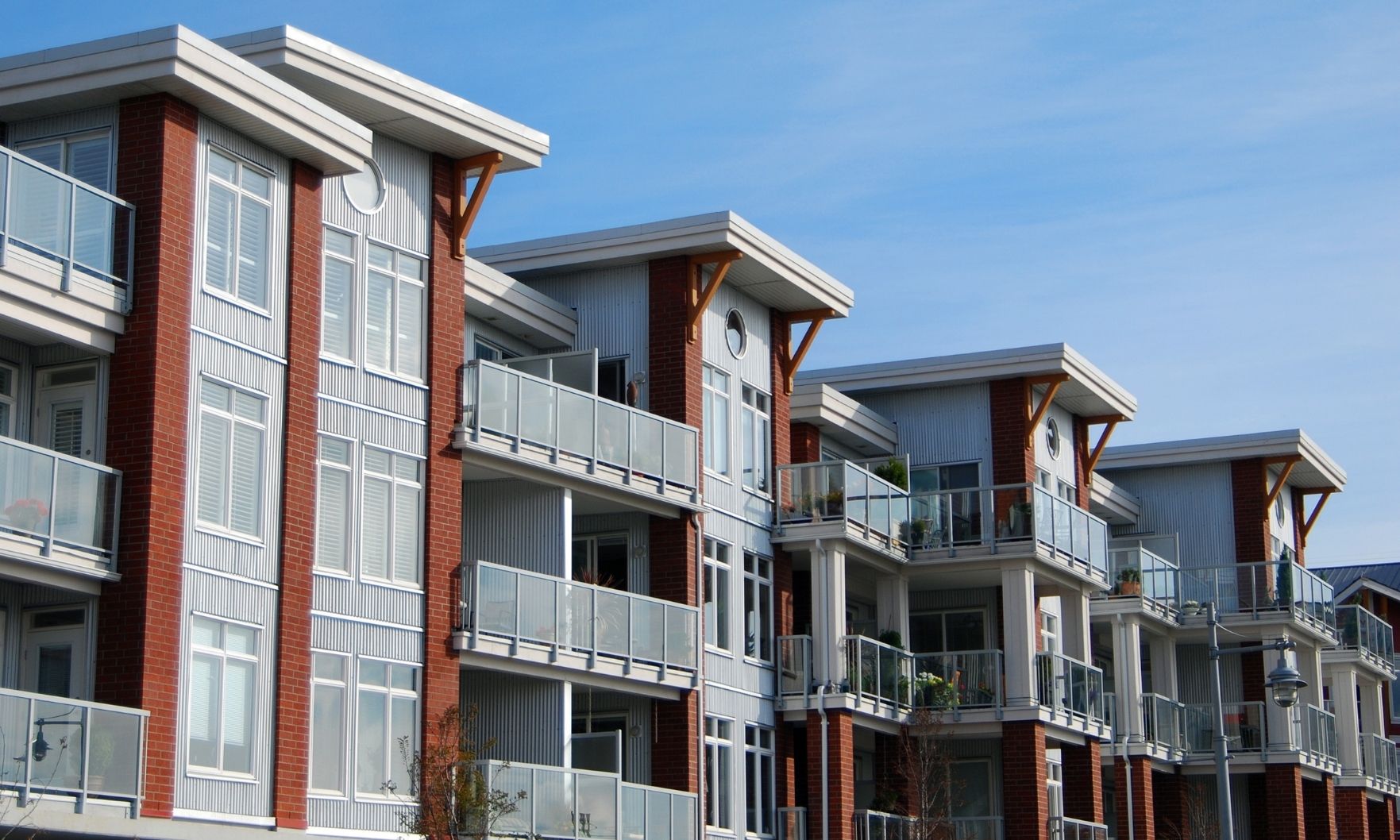
Our expectations and desires have shifted, with renters searching for more space — often at a higher price tag. But, according to a new study from RentCafe, the costs in Atlanta are somewhat average.
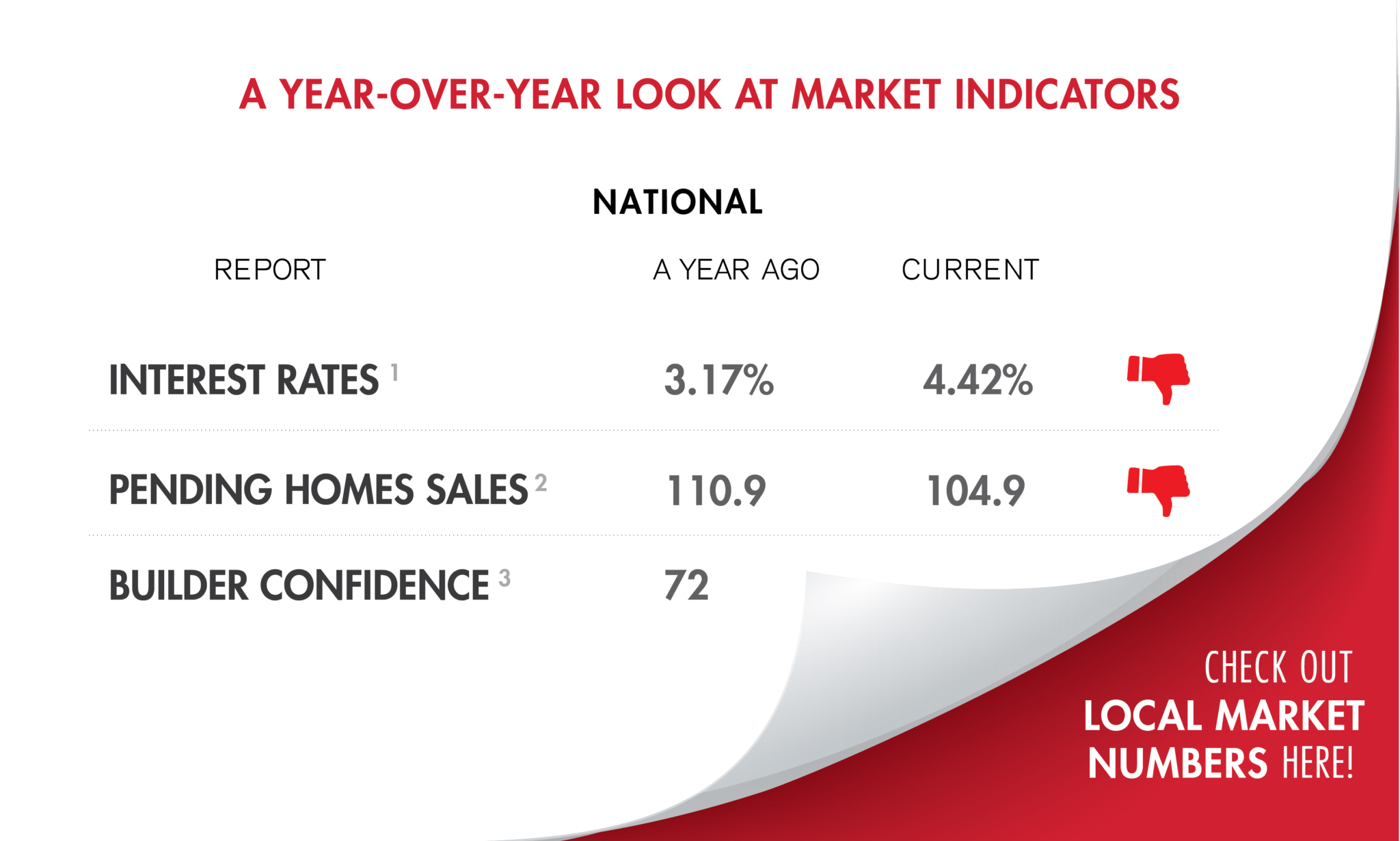
The most recent Atlanta Housing Scorecard shows significant improvements in unemployment, days on the market and housing starts.
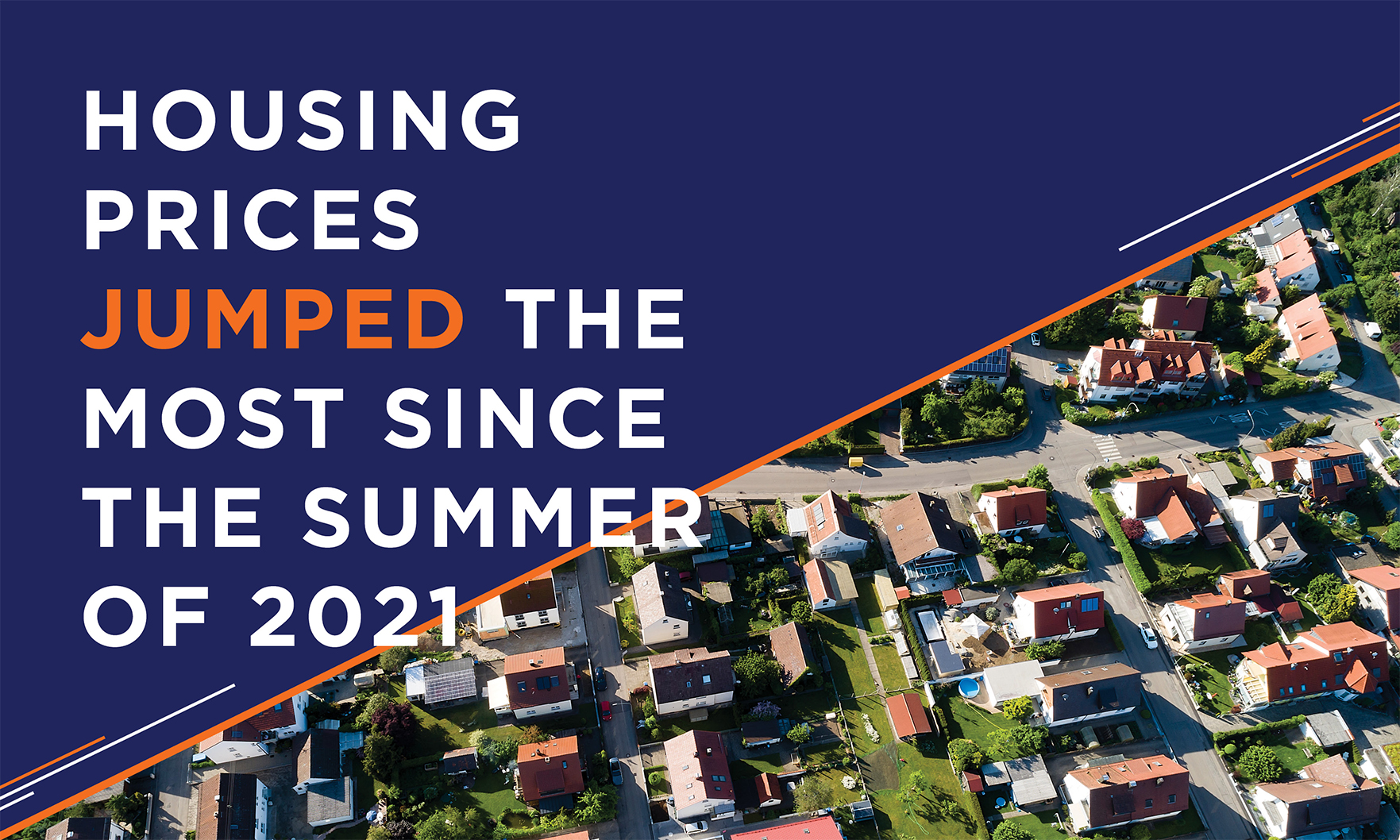
With fewer people putting their homes on the market, prices continue to skyrocket.

The decrease comes as interest rates continue to climb, according to the Mortgage Bankers Association.
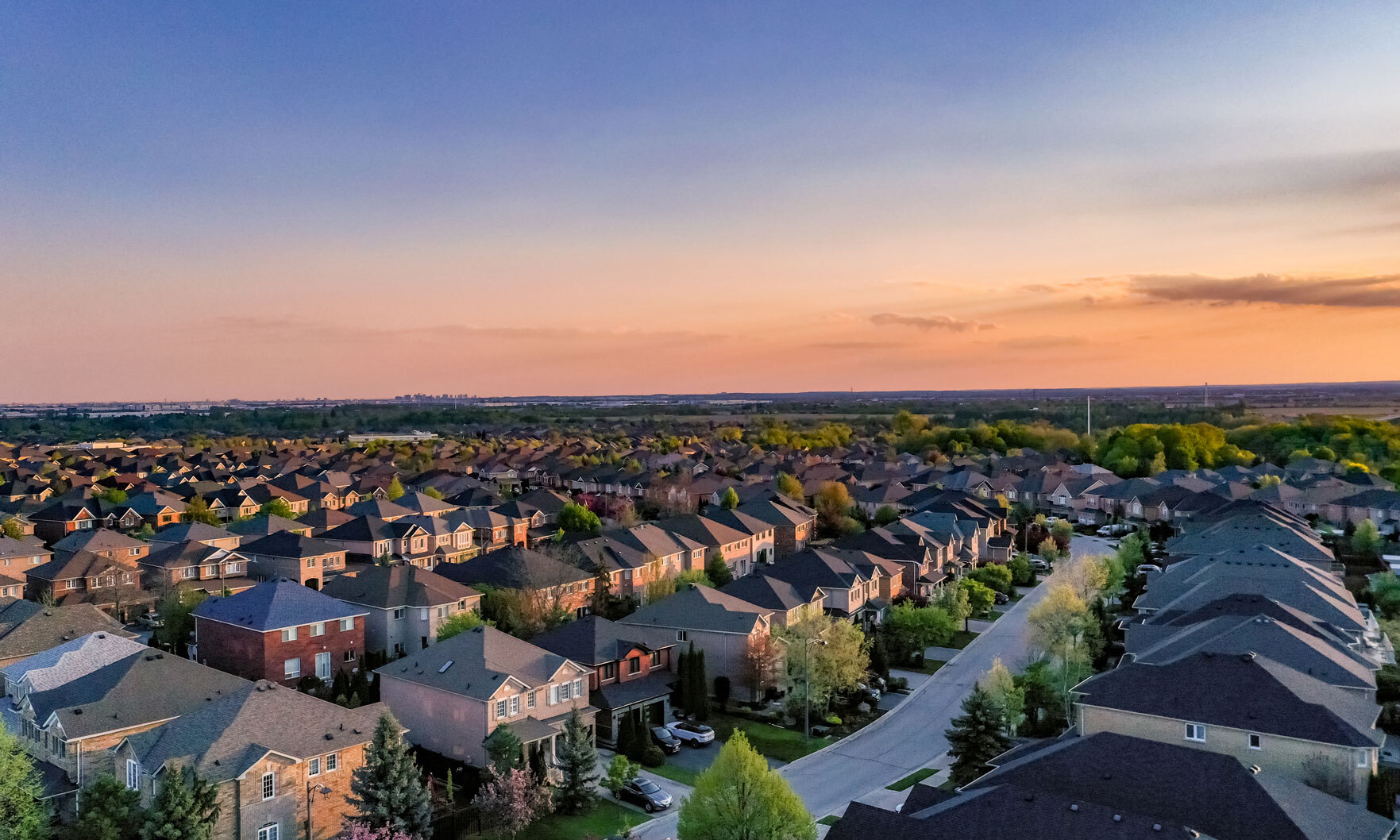
Housing inventory should reach pre-pandemic levels by the end of 2024, according to the results of Zillow’s latest Home Price Expectations Survey. More than 100 market experts and economists weighed in to predict upcoming trends.
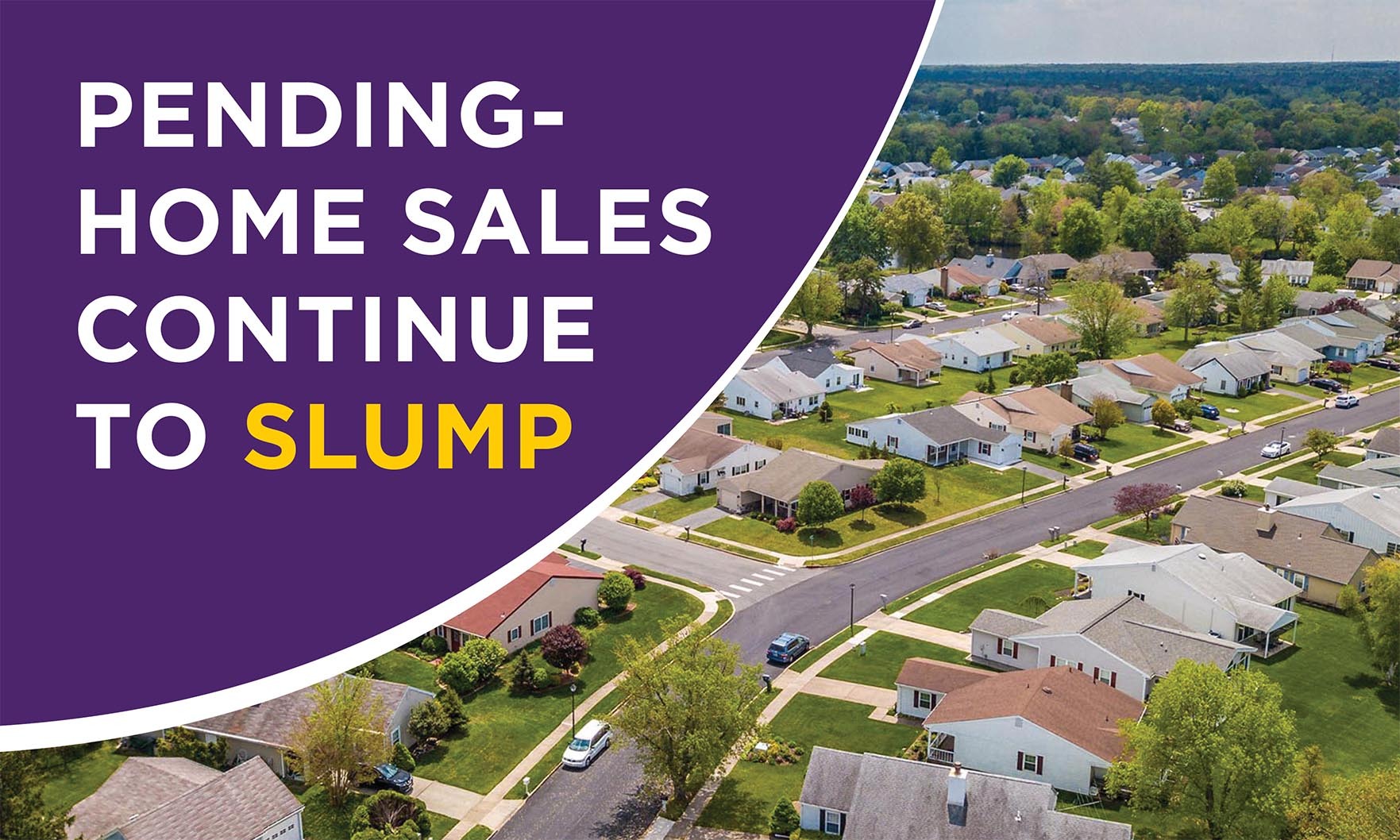
“Buyer demand is still intense, but it’s as simple as ‘one cannot buy what is not for sale.” — National Association of REALTORS® chief economist Lawrence Yun

In dollar terms, investors purchased $2.86 billion worth of Atlanta residences during the quarter, placing the city fourth on Redfin’s rankings.

The median sales price of a home in the Atlanta metro area rose 1.3% from January to $380,000, Atlanta REALTORS® Association reported.

Affordability and supply-chain issues continued to weigh on the sales of new single-family residences.