
Trends
For data-driven stories, to appear under “Trends” menu
“Given the situation in the market — mortgages, home costs and inventory — it would not be surprising to see a retreat in housing demand.” — NAR chief economist Lawrence Yun
“Builders are entering 2022 with backlogs that they are having a hard time completing due to material and labor shortages, and new-home prices are sitting near a historic high.” — First American Deputy Chief Economist Odeta Kushi

The decline was on a month-over-month basis, while year over year, prices were still up by double digits.

Redfin reported 32.4% of its users in January were looking to relocate, the highest percentage since it started tracking the data in 2017.
While rising interest rates may lead to more reductions in the housing supply, it may also bring some much-needed balance to the market.

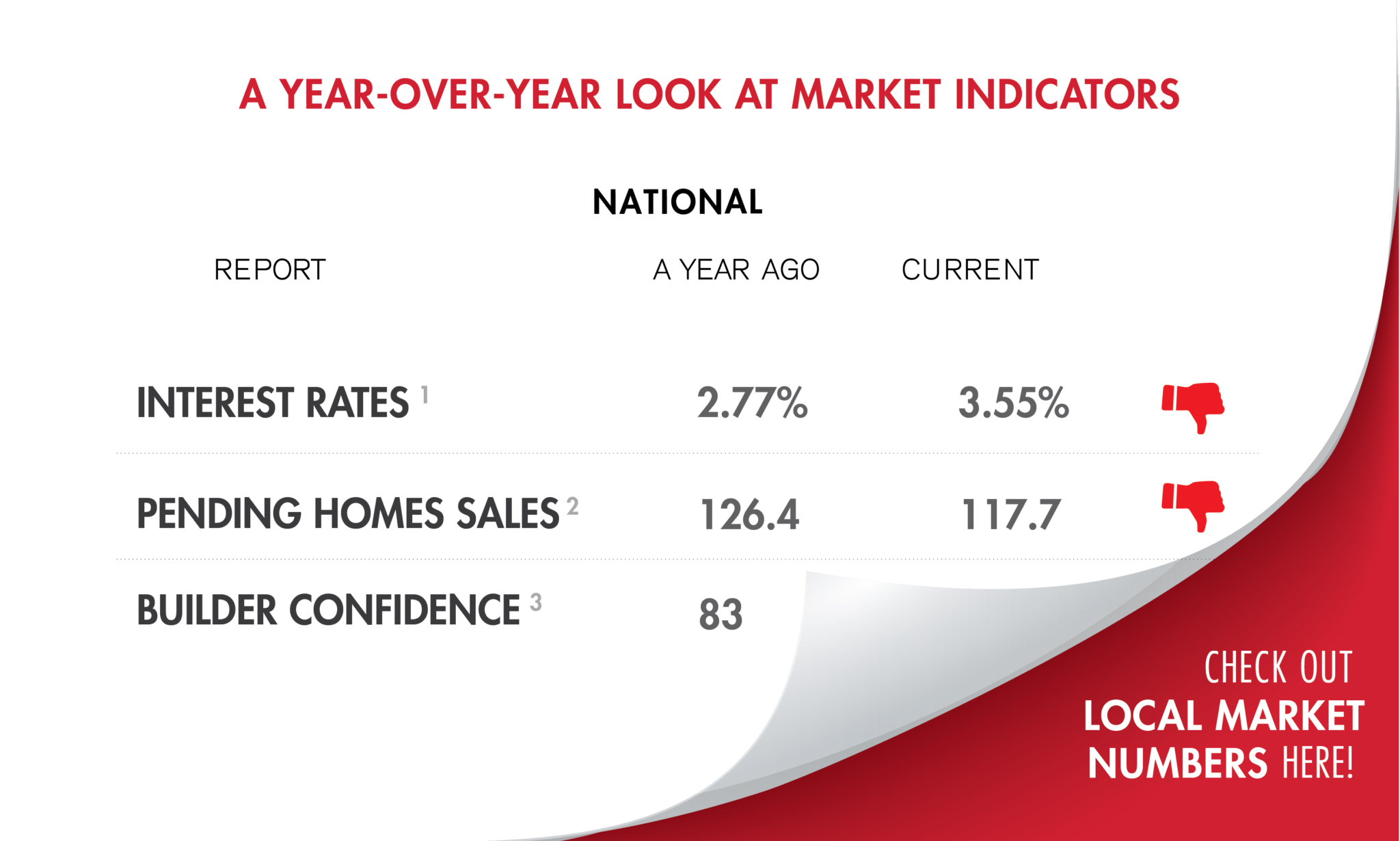
Mortgage applications fell more than 13% in the most-recent week tracked by the Mortgage Bankers Association’s Market Composite Index, while interest rates continued to rise.
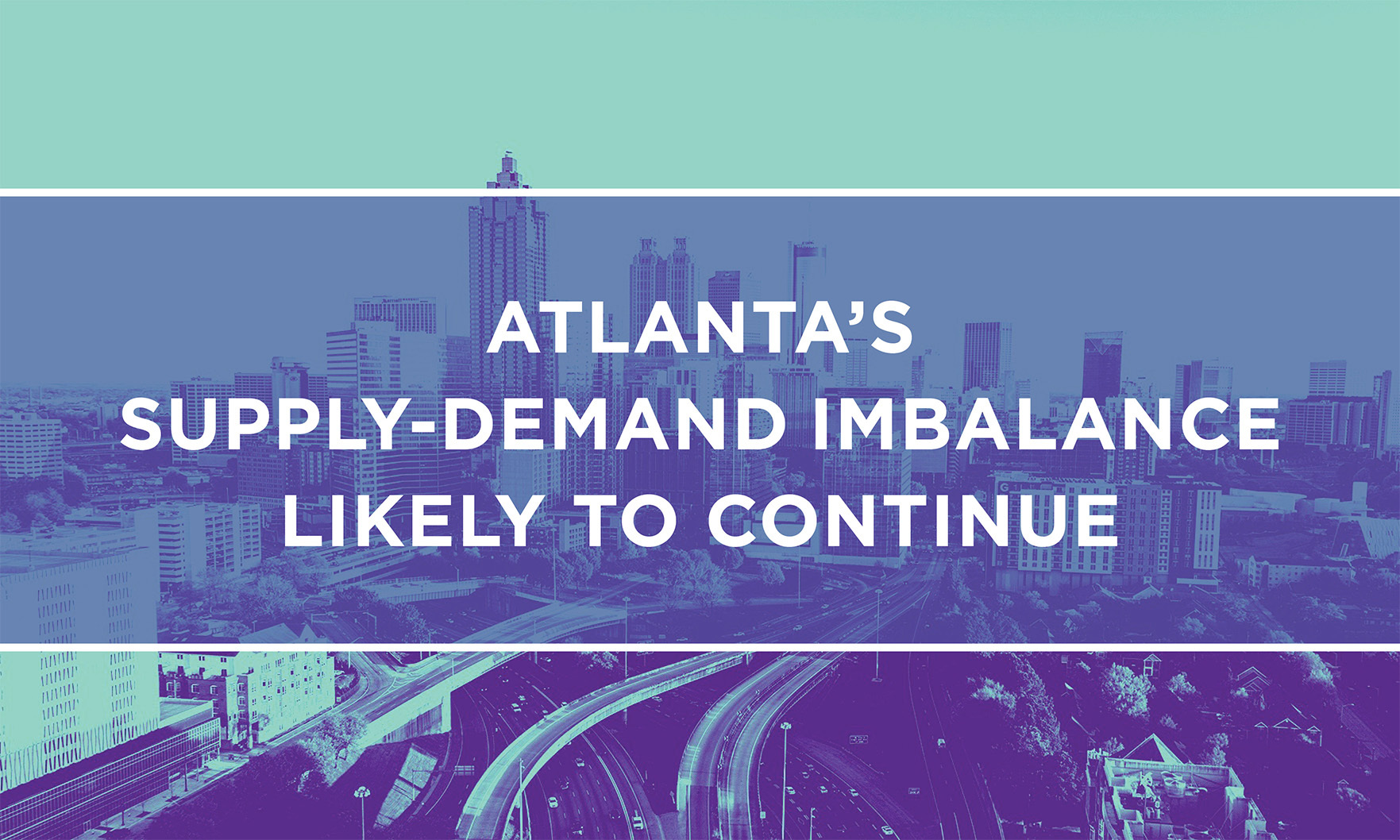
Would-be homebuyers who have been struggling to purchase a home in Atlanta’s hyper-competitive market are not likely to find much relief any time soon, according to a roundtable discussion of housing experts.
“Production disruptions are so severe that many builders are waiting months to receive cabinets, garage doors, countertops and appliances.” — NAHB Chairman Jerry Konter
The sales pace of existing homes surged 6.7% in January after falling in December, as buyers got off the fence and went shopping ahead of rising interest rates, the National Association of Realtors reported.
Single-family housing starts fell 5.6% from December’s revised estimate to 1,116,000, while multifamily starts slid 2.1% to 510,000, the U.S. Census Bureau and the U.S. Department of Housing and Urban Development said.
The average contract interest rate for 30-year fixed-rate mortgages backed by the Federal Housing Administration increased to 3.93% from 3.86%, the Mortgage Bankers Association said.

Across the country, 10% of ZIP codes with the largest share of children had an average home value growth of 21.3% from October 2020 to October 2021.
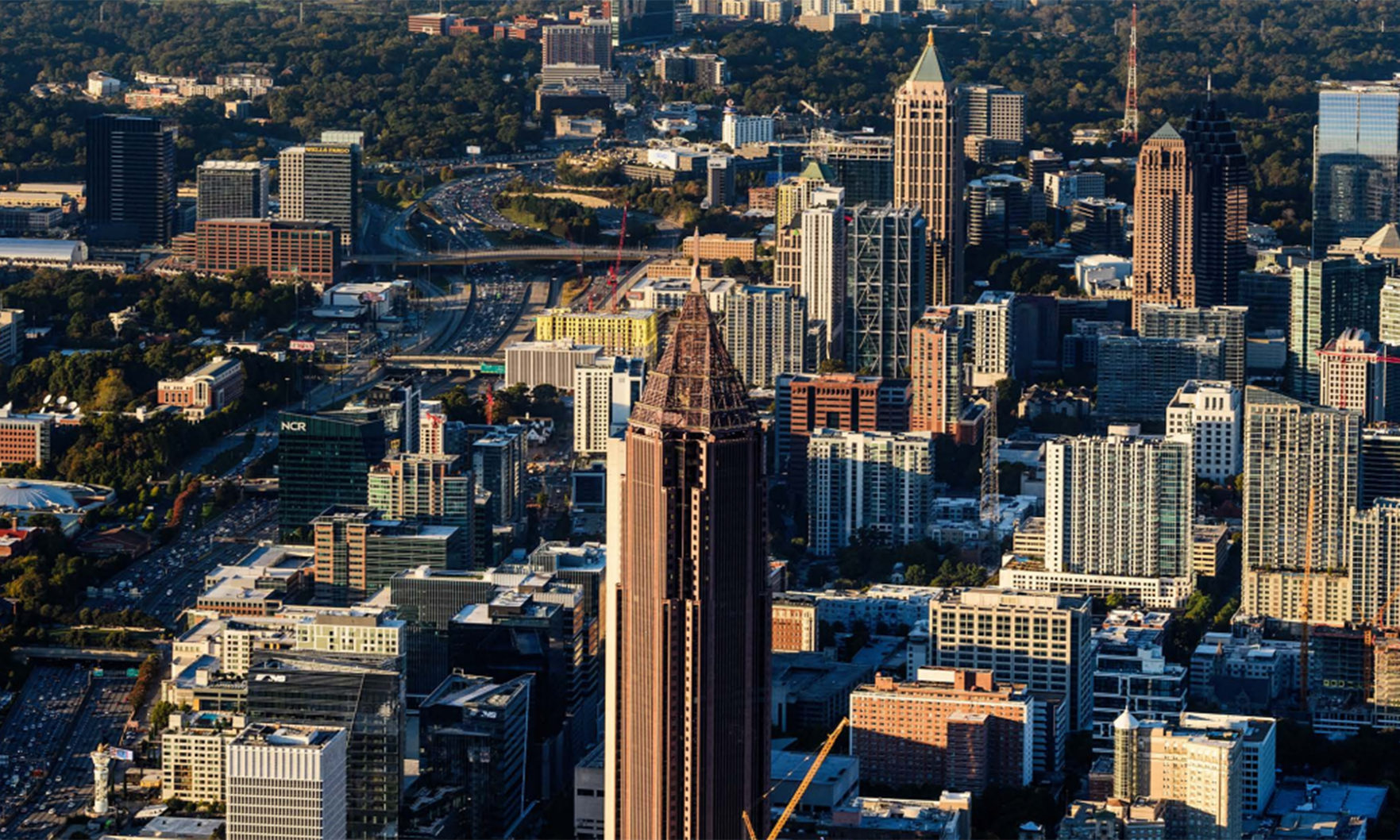
Atlanta’s Midtown Alliance said there were 5,172 residential units concurrently delivered or under construction in 2021, a new record.
Home-price growth could slow by the end of 2022, despite the housing market breaking records in January.
Days on market for homes sold in Atlanta fell to 52 from 64 a year earlier.
Home-price growth is expected to average about 5% this year, far below the record-breaking pace set in 2021, RCLCO reported.