
Trends
For data-driven stories, to appear under “Trends” menu
All four geographic regions saw increases, led by the Midwest, which clocked a 10.4% rise from July, and the South, where sales rose 8.6%. Pending transactions rose 7.2% in the West and 4.6% in the North.
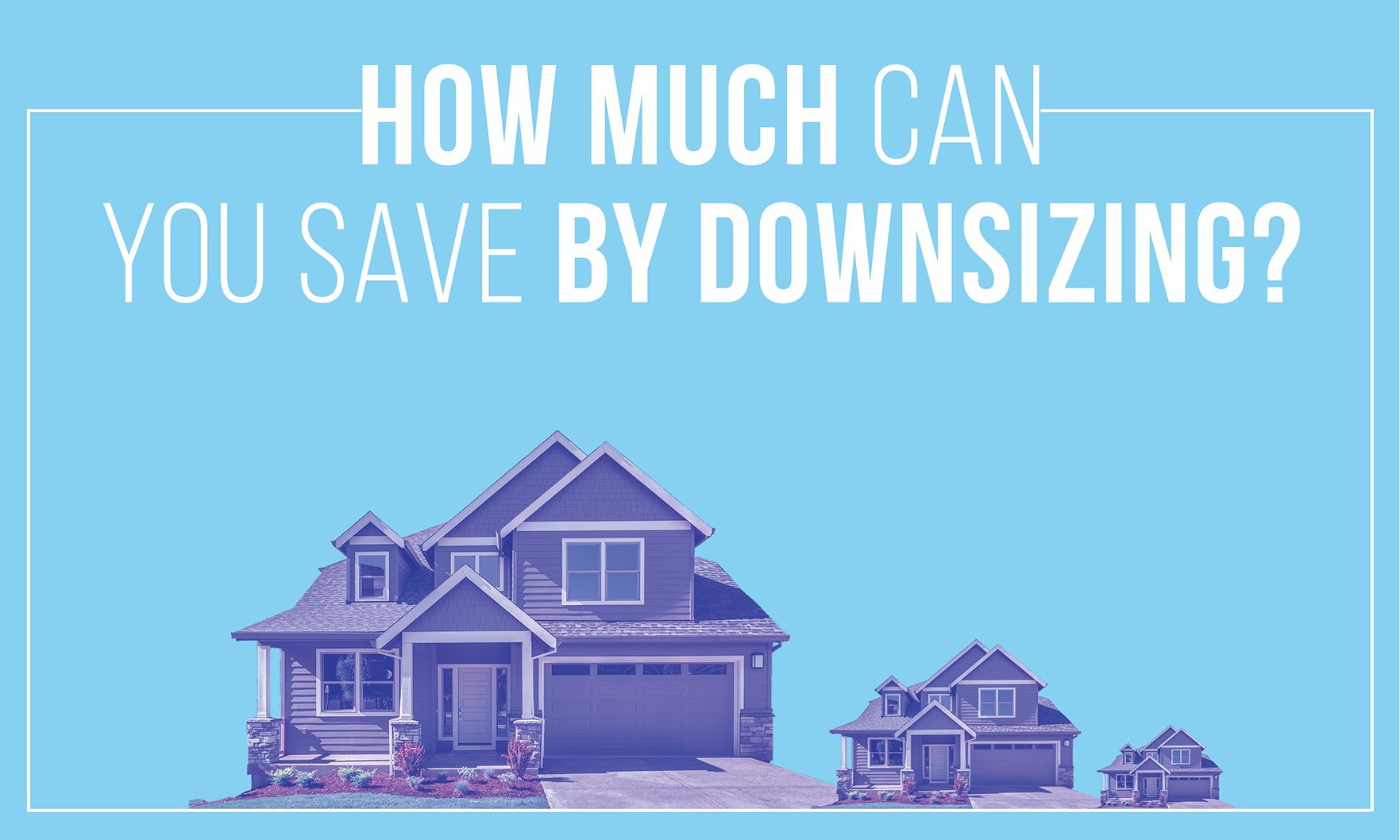
Property values continue to rise and those looking to downsize can make the most of the current market highs, but how much you can save by downsizing can vary significantly depending on where you live.

A new report shows the market cooled in August, at least in terms of the number of prospective buyers looking at homes.

The 10-city composite index rose 1.4% on a monthly basis and 19.1% on a yearly basis, while the 20-city composite gained 1.5% monthly and 19.9% annually.
Fewer buyers were looking for vacation homes in August, as the demand for second homes dropped for the third month in a row.

Today’s condo environment is a far cry from the first days of the pandemic, when people were told to stay home and stay away from one another.
The seasonally adjusted estimate of new houses for sale at the end of July was 378,000, representing a supply of 6.1 months at the current sales rate.

Last year’s en-masse move to remote work has driven what Zillow has dubbed the Great Reshuffling, as homeowners working from home have paused and reevaluated where and how they live.
The increase was driven by a 21.6% month-over-month spike in the rate of new multifamily construction. Single-family housing starts, meanwhile, slid 2.8%.
September’s reading of 76 was up one point from August, despite lingering challenges with labor and the building-material supply chain, the National Association of Home Builders reported, citing the latest NAHB/Wells Fargo Housing Market Index.

Month over month, home sales were down 3.5%, and the median sale price declined 1.2% to $335,000.

According to Realtor.com’s Best Time to Buy Report, between Sept 12 and Oct. 17 is the best time to sell a home in most markets, but what about in Atlanta?

The property is the 11th Atlanta-area asset owned or managed by the purchaser, Bell Partners Inc.
Pending home sales in August rose just 9%, the slowest growth since June 2020, according to a new Redfin report.
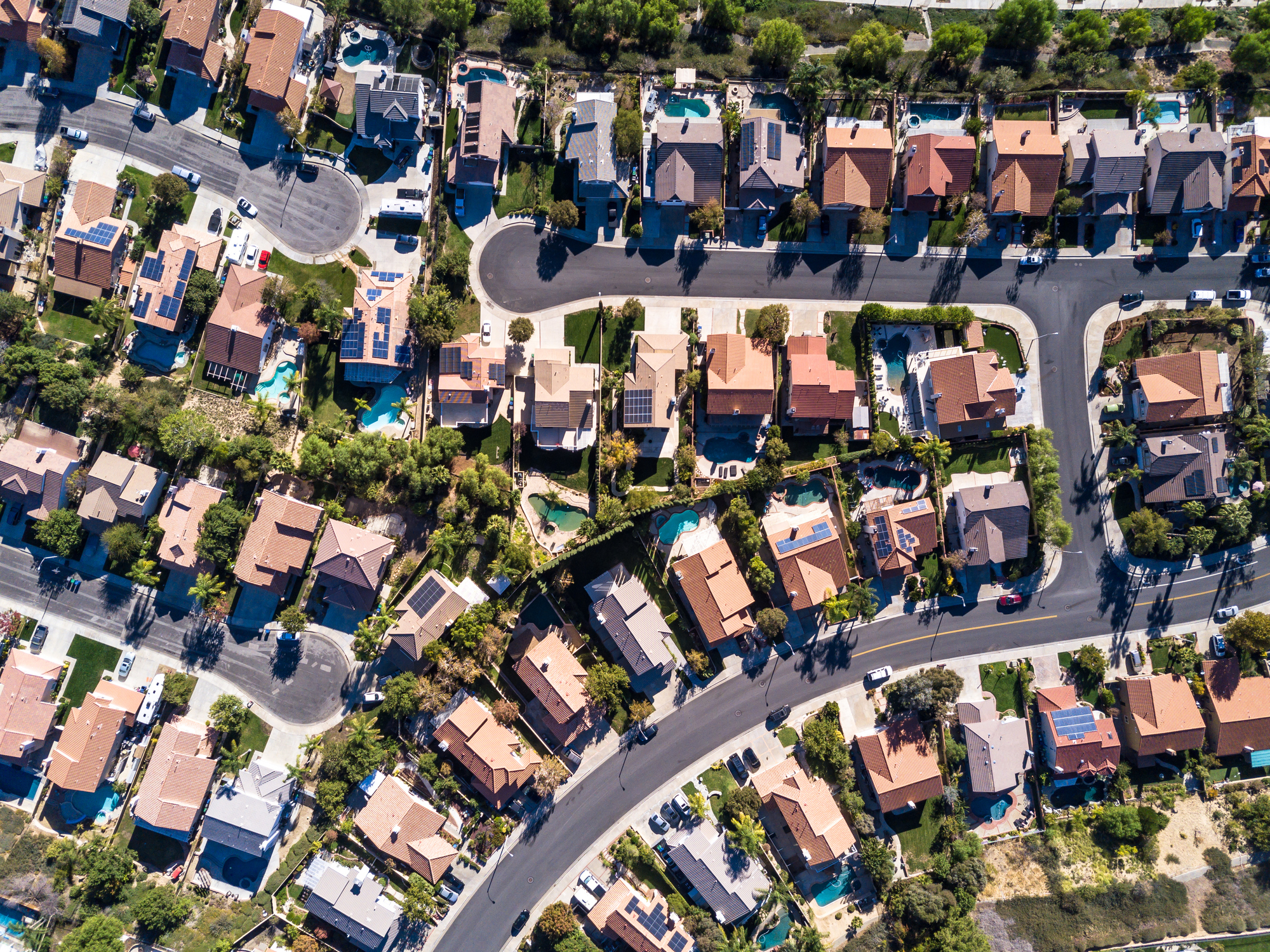
A decline in new home listings has had little impact on the market as far as demand is concerned, according to a recent Redfin report.
Income levels and mortgage rates gave homebuyers in June 129% more house-buying power than they had in 2006, according to First American Financial Corp.’s June Real House Price Index.