
Trends
For data-driven stories, to appear under “Trends” menu
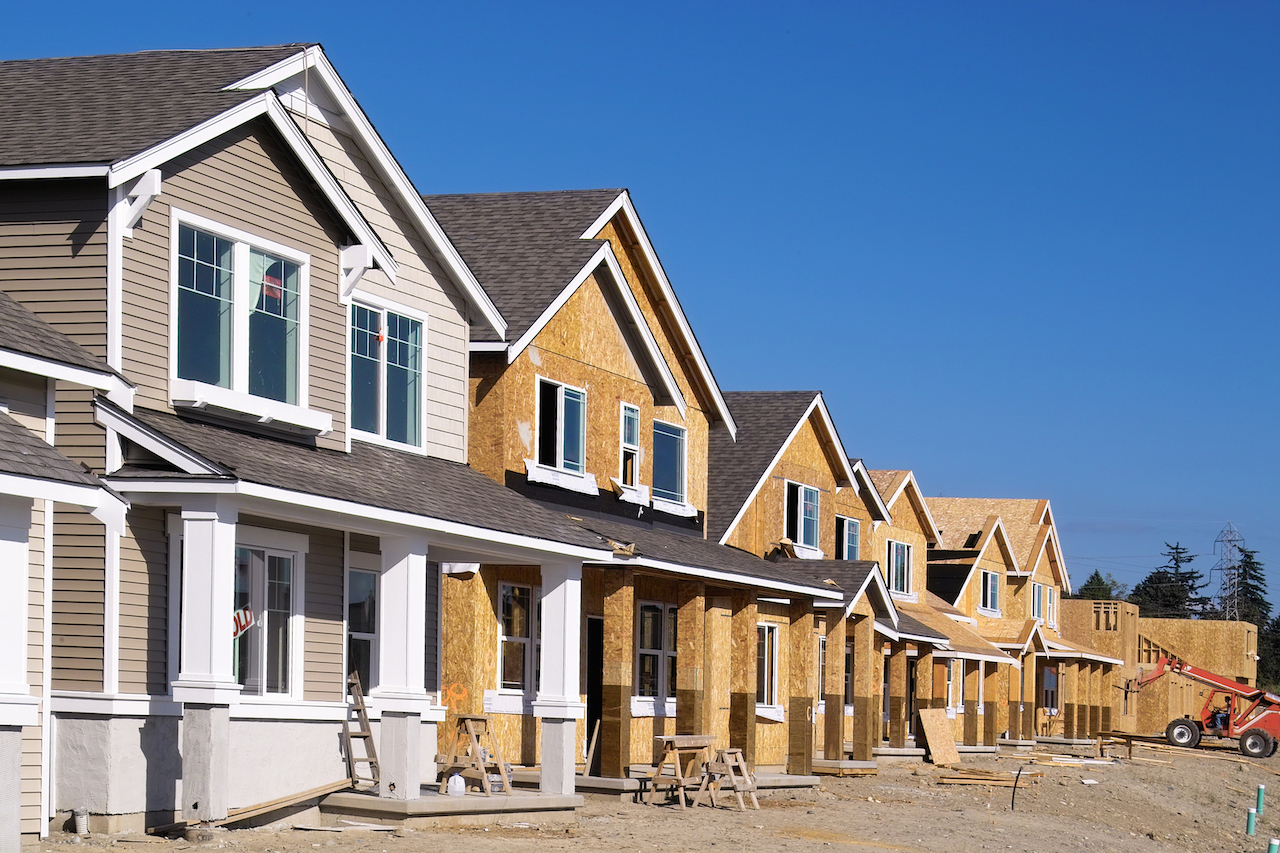
Privately owned housing starts jumped 19.4% from February’s revised estimate to a seasonally adjusted annual rate of 1,739,000, according to the U.S. Census Bureau and the Department of Housing and Urban Development

The National Association of Homebuilders expects continued growth in single-family construction through the rest of 2021, although at a slower pace than that of 2020.

Forty-three percent of respondents to the first-quarter Zillow Home Price Expectations survey expect inventory to improve in the second half of the year, followed by 26% who expect it in the first half of 2022.
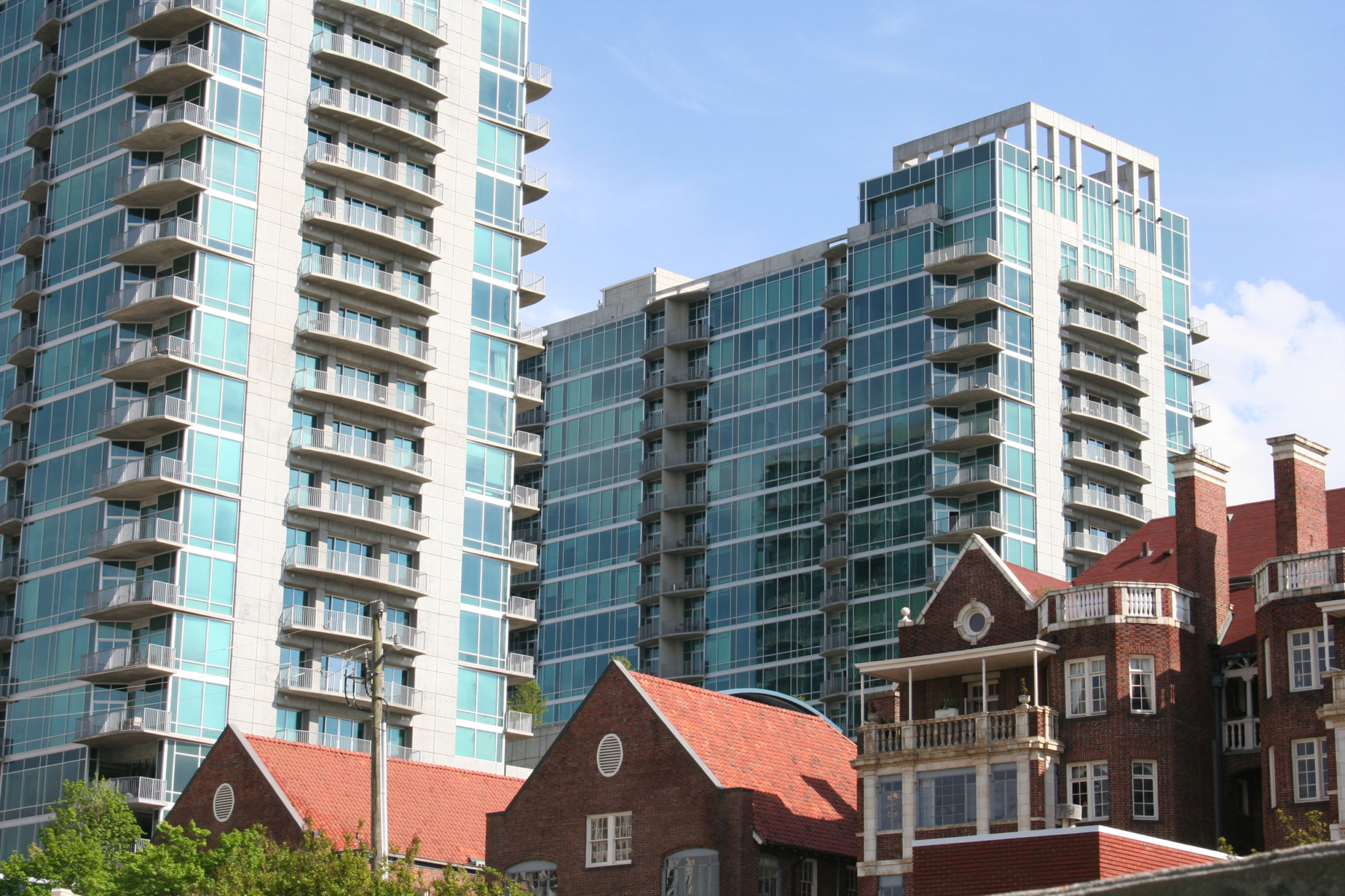
The housing supply shortage is expected to get more extreme as homebuyer demand continues to outweigh inventory levels, a new study found.
At the same time, sales activity continues to be strong, with volume rising 33.5% year over year in March.
Year over year, however, rents rose, the online listing agent reported.
Home prices posted monthly and yearly gains in January across the U.S. as well, according to the S&P CoreLogic Case-Shiller Indices.

Redfin Chief Economist Daryl Fairweather lays out five key predictions for the housing market in a post-pandemic world.
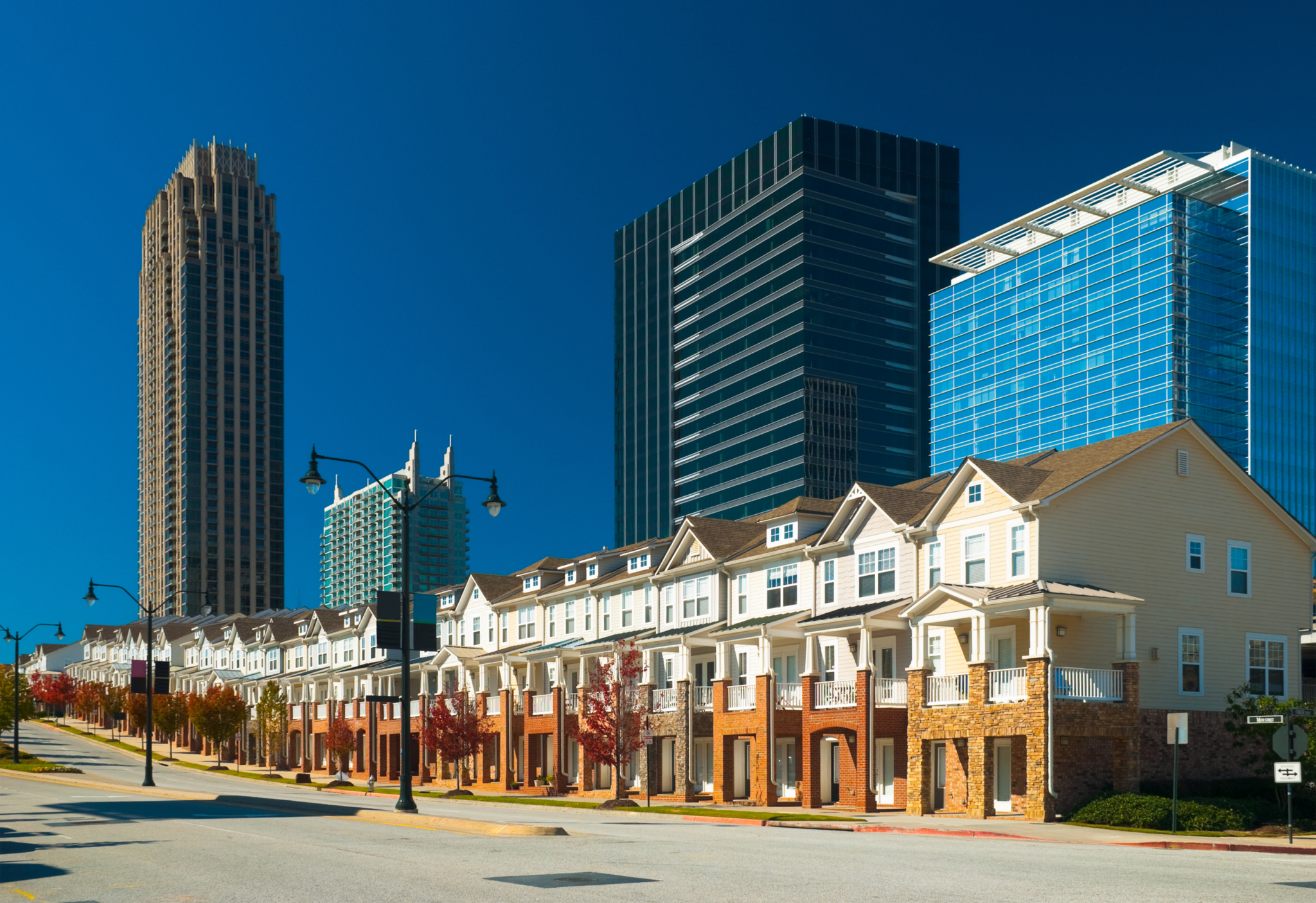
Atlanta’s housing inventory fell to 7,571 homes for sale from 14,962 a year ago, according to the Atlanta Realtors Association.
Atlanta was the sixth most-searched U.S. city by Redfin.com users looking to relocate to different metro areas in January and February, the online real estate broker said in a new report. Atlanta’s popularity comes as homebuyers, often freed from
Much of the year-over-year increase in home sales was supported by continued robust activity in the Southeast, which saw a 20.2% rise to an annual rate of 458,000 transactions.

For the first time since March 2020, home-price growth in urban areas surpassed that of suburban and rural locations.

The median sale price of a home in Atlanta was $286,000 in February, a 2.9% increase month over month and a 14.4% increase over last year.

Eighty-eight percent of all homebuyers said they used an agent as a source of information during their search, and 91% of millennials age 22 to 30 said the same.
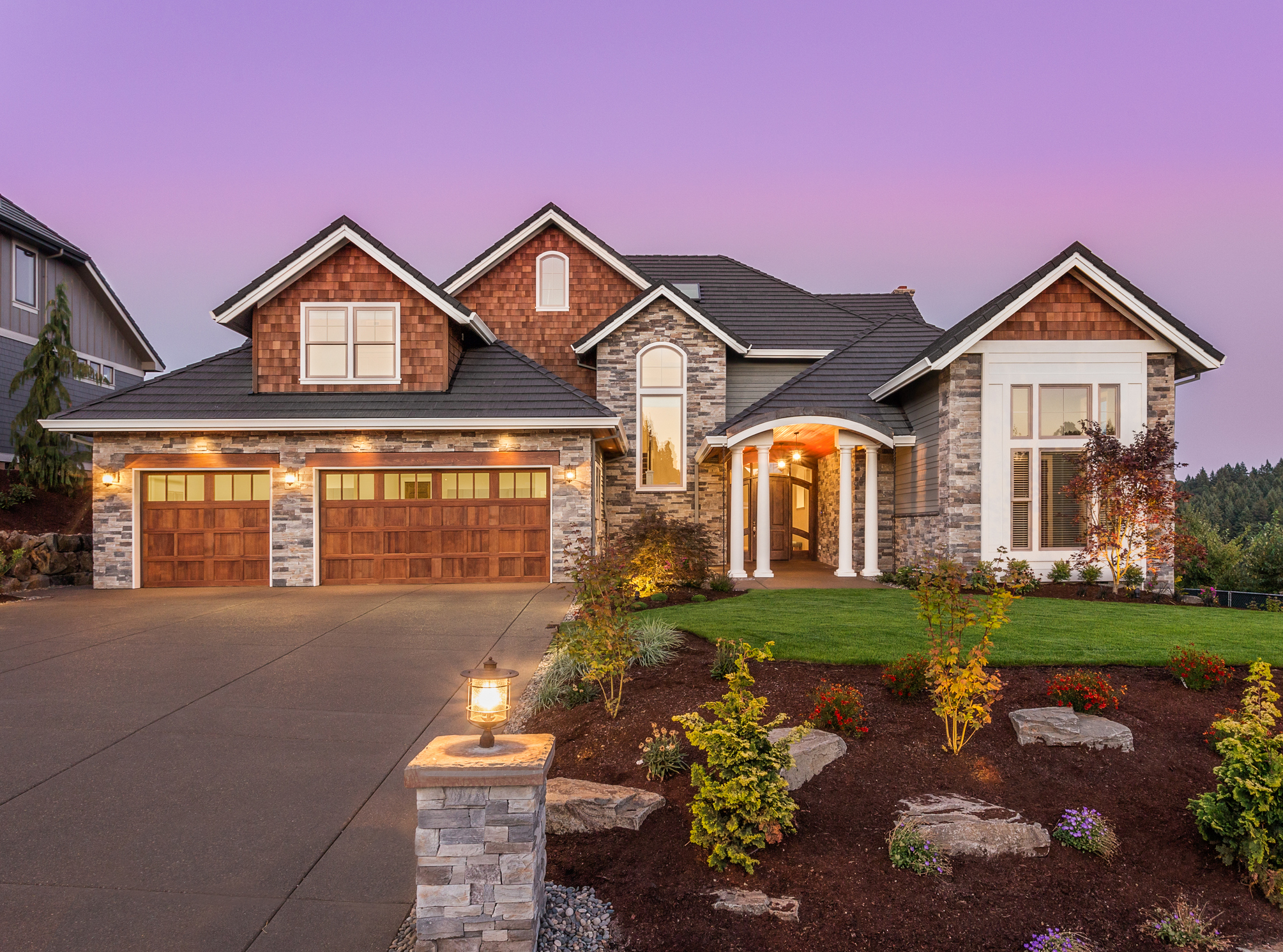
Bigger is better when it comes to houses on the market, according to a new report from Realtor.com.
The 12-county metro region saw home sales jump 21.7% to $1.97 billion during the month, as the median sales price rose 15.7% to $295,000, according to Georgia MLS.