
Current Market Data

“MBA expects solid growth in purchase activity this year, as demographic drivers and the strong economy support housing demand,. However, the strength in growth will be dependent on housing inventory growing more rapidly to meet demand.” — Mortgage Bankers Association associate vice president of economic and industry forecasting Joel Kan

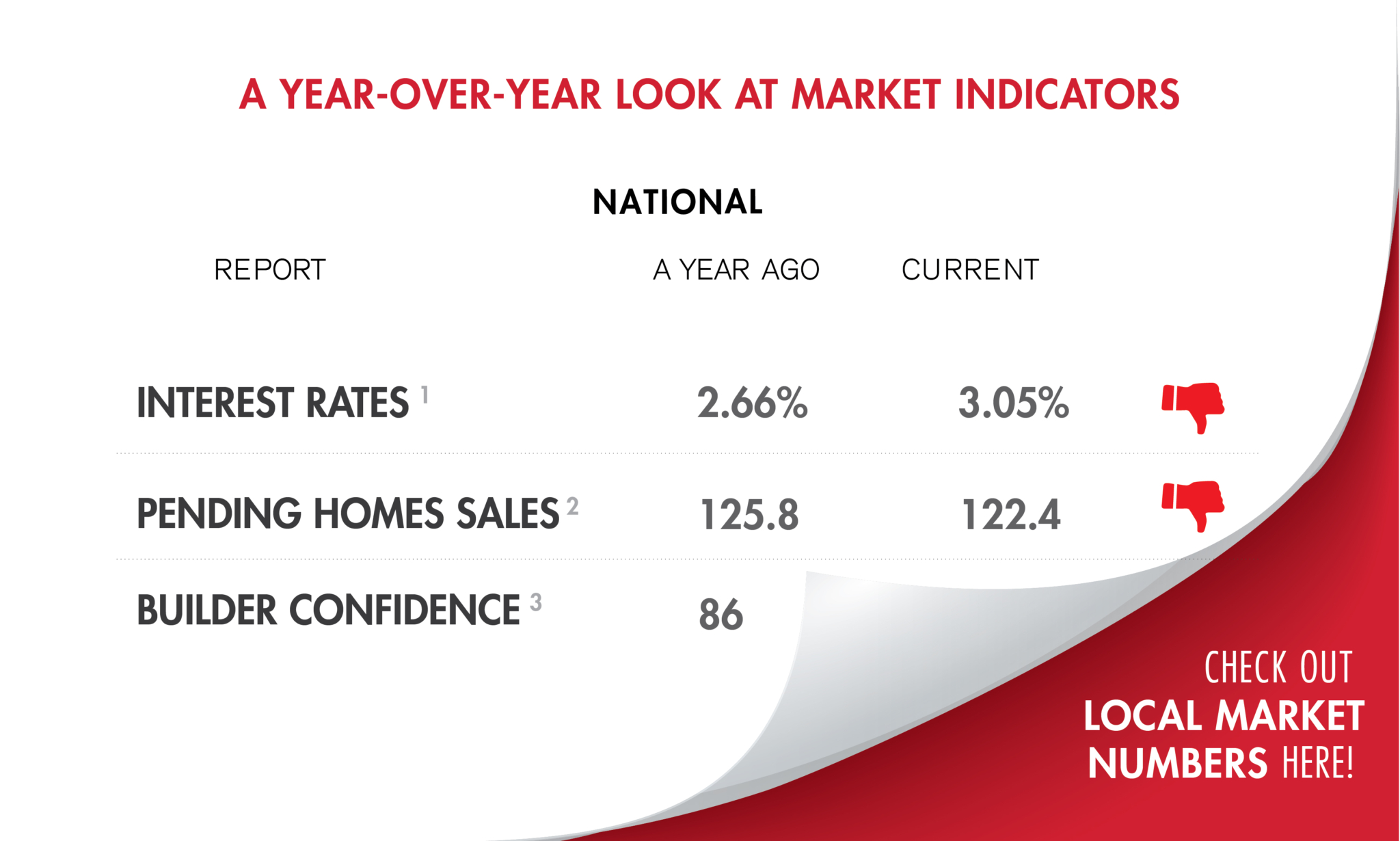
Despite the record low number of homes for sale, prices and pending sales continue to rise.
Housing prices continue to exacerbate ongoing affordability challenges, as home appreciation continued to accelerate in November.

An analysis by iBuyer Opendoor found that the most highly searched ZIP codes in Atlanta were far outside the city center.

At the same time, the average 30-year fixed-rate mortgage rose to 3.33%, its highest level since April 2021, the Mortgage Bankers Association said.

Inflation concerns are influencing plans for homebuyers and sellers, according to a recent Redfin survey.

Atlanta took seventh place, while Tampa, Fla., was ranked first.
Housing affordability fell to its lowest level since 2008 in October as home prices rose 19.6% from last year.

Nationally, housing prices were also on the rise, according to the S&P CoreLogic Case-Shiller U.S. National Home Price NSA Index.
The year ended with days on market falling to 49 from 61, while sales of existing homes plunged on an annual basis.
“There was less pending home sales action this time around, which I would ascribe to low housing supply, but also to buyers being hesitant about home prices,” National Association of REALTORS® chief economist Lawrence Yun said.

“Fewer homes are selling because of a lack of supply, while demand remains strong.” — Redfin chief economist Daryl Fairweather
The median sales price of new homes hit a new high of $416,900.
The median existing-home sales price for all housing types rose again on an annual basis, marking 117 consecutive months of gains.
The seasonal housing cooldown may end early this year according to Zillow’s latest market report, which found the spring market thaw may be here before winter even begins.
“The market is roaring along, with only half the seasonal slowdown we typically see from October to November.” — RE/MAX LLC President Nick Bailey