
Current Market Data
According to real estate data provider ATTOM, foreclosure filings, which include default notices, scheduled auctions or bank repossessions, rose 5% in October on a monthly basis and 76% from October 2020, to 20,587 filings.

Seventy-eight percent of the 183 U.S. markets monitored by the National Association of Realtors had double-digit increases in their median home prices, a decline from the second quarter, when 94% of markets saw double-digit increases.

At the same time, the median sales price of properties sold rose 20.1% to $340,000, Georgia MLS reported.
The supply of affordable homes on the market rose a record 13% in the third quarter as mortgage forbearance programs ended, prompting low-cost homeowners to put their properties on the market.

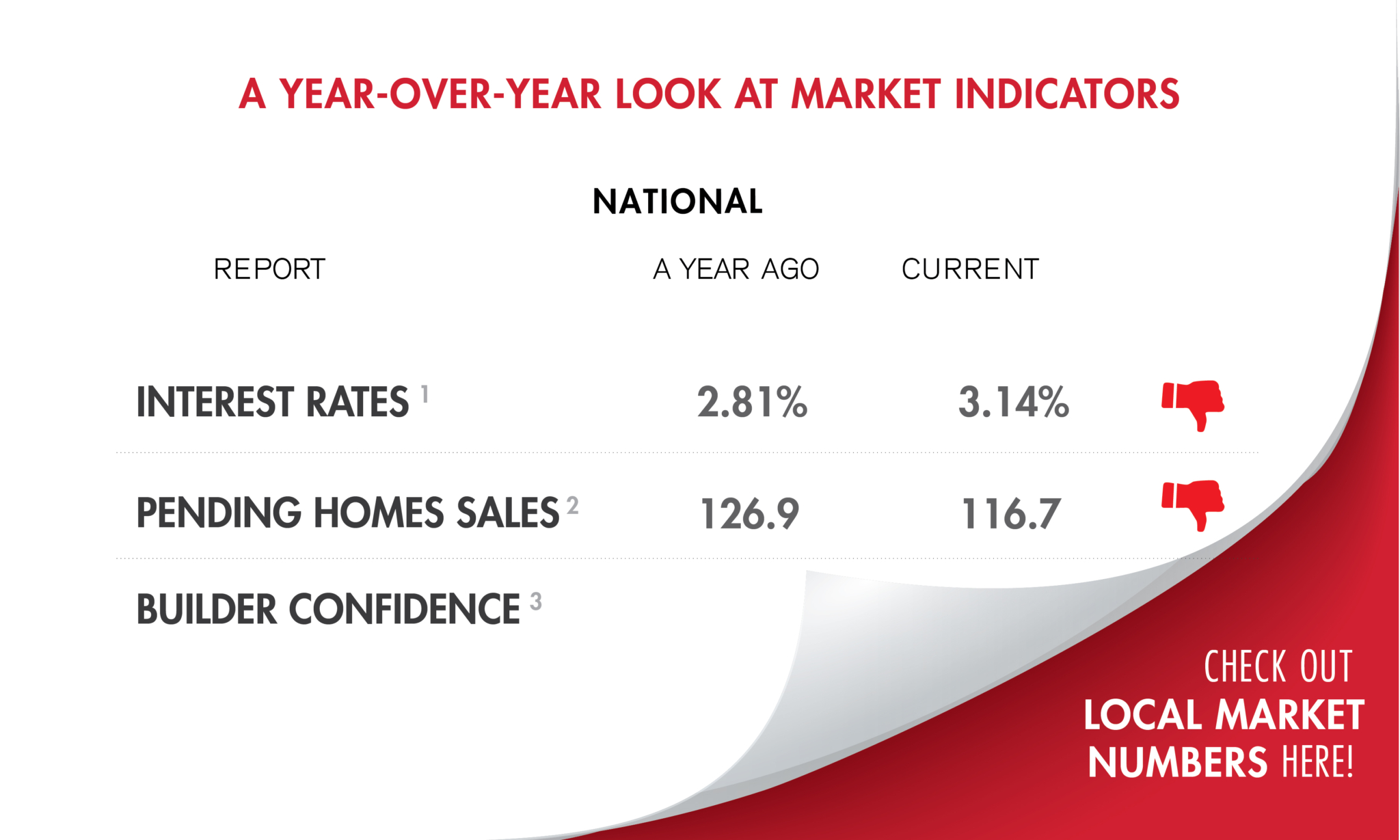
“Mortgage rates decreased for the first time since August, as concerns about supply-chain bottlenecks, waning consumer confidence, weaker economic growth and rising inflation pushed Treasury yields lower.” — MBA associate vice president of economic and industry forecasting Joel Kan

Millennials are purchasing houses — finally. Over the past year, millennials made up the largest share of homebuyers: 37% according to Barron’s.
Over the last year, Atlanta’s for-sale housing inventory has fallen to 9,450 homes from 13,196.

Boston and Raleigh had the highest bidding-war rates, as the rate fell to a 2021 low.
“Contract transactions slowed a bit in September and are showing signs of a calmer home price trend, as the market is running comfortably ahead of pre-pandemic activity.” — NAR chief economist Lawrence Yun

Home-price gains were once again broadly distributed, as all 20 cities in the S&P CoreLogic Case-Shiller Home Price Index rose, although in most cases at a slower rate than a month ago.

At the same time, the increase in interest rates drove fewer borrowers to refinance their loans, according to the Mortgage Bankers Association.

The month also saw a slight shift in inventory, even though shortages continued.
“There simply aren’t enough homes for sale relative to the demand fueled by millennials armed with low mortgage rate-driven house-buying power.” — First American Deputy Chief Economist Odeta Kushi

Year over year, sales were down 10.1%, while the median sales price was up 15.8%, Atlanta REALTORS Association reported.
The median existing-home price for all housing types in September was $352,800, up 13.3% on an annual basis, as every region in the country registered price increases.
The decrease was driven by a 5.1% month-over-month slide in the rate of multifamily starts, while single-family construction was flat.