
Current Market Data

Climate change will negatively impact the already-stunted housing inventory in the U.S., according to a recent Redfin report.

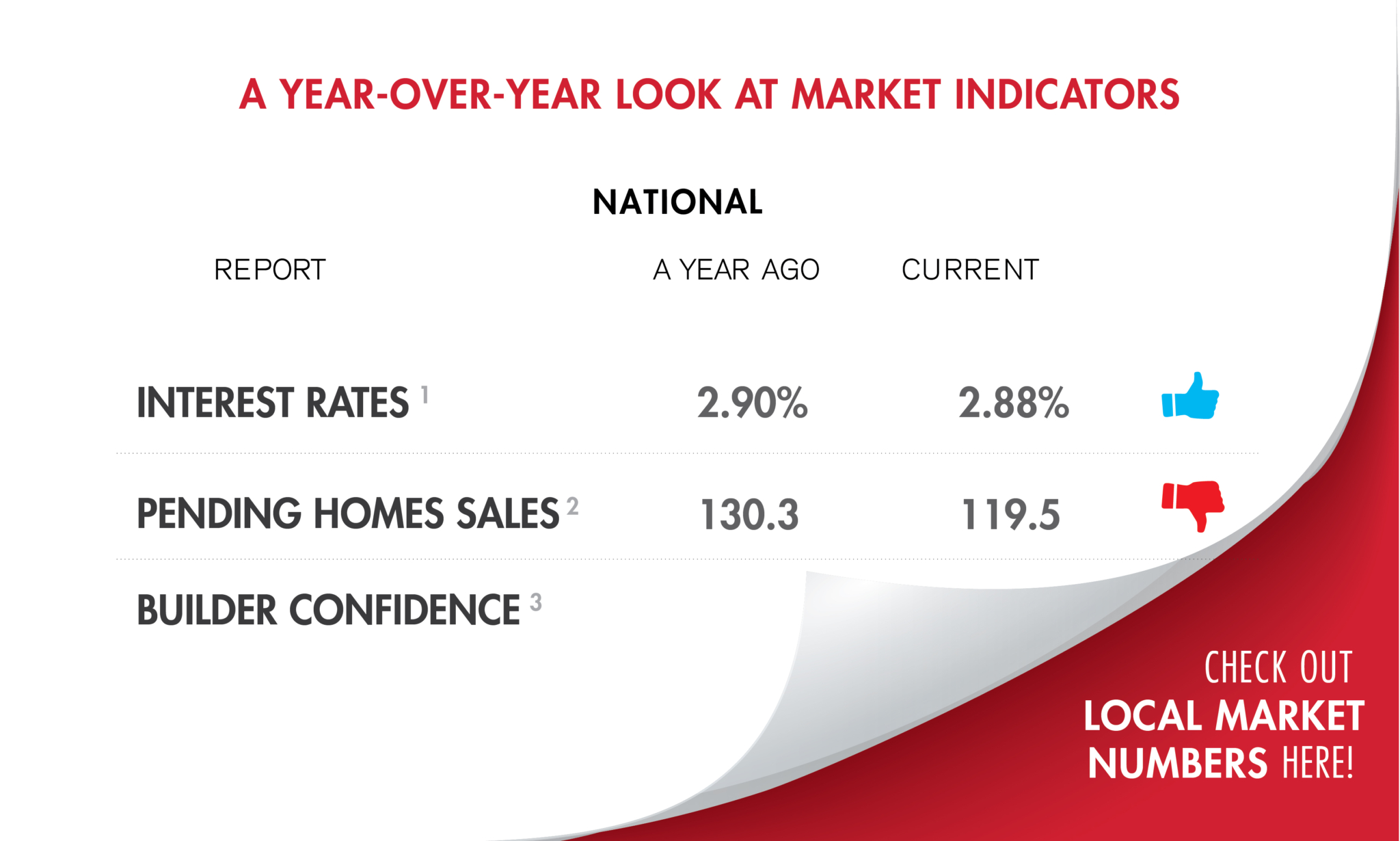
Days on market rose 10% from August, and months supply of inventory jumped 16.7%, according to RE/MAX’s National Housing Report for September.

While the past year has been unprecedented in terms of economic change and a global pandemic, most U.S. home sellers’ experiences were similar to past years, according to Zillow’s latest consumer housing trends report. Consistent with the past three

It’s been barely three months since the federal moratorium on foreclosures expired, but it’s starting to prove costly, as nationally, foreclosures are on the rise, having increased 67% from last year.
Days on market in the city, meanwhile, dropped to 48 days from 60 days.

Asking prices for homes reached an all-time high in September, despite pending sales and new listings cooling.

Mortgage rates rose quickly last week. The 30-year fixed mortgage rate hit 3.01%, up 0.13% from the week prior.

At the same time, the median sales price of the properties sold ticked 0.3% higher on a month-over-month basis to $340,000.
Housing affordability has changed across all 50 top markets, proving to be more affordable than it was during the previous housing peak, according to First American Financial’s latest Real House Price Index.
All four geographic regions saw increases, led by the Midwest, which clocked a 10.4% rise from July, and the South, where sales rose 8.6%. Pending transactions rose 7.2% in the West and 4.6% in the North.
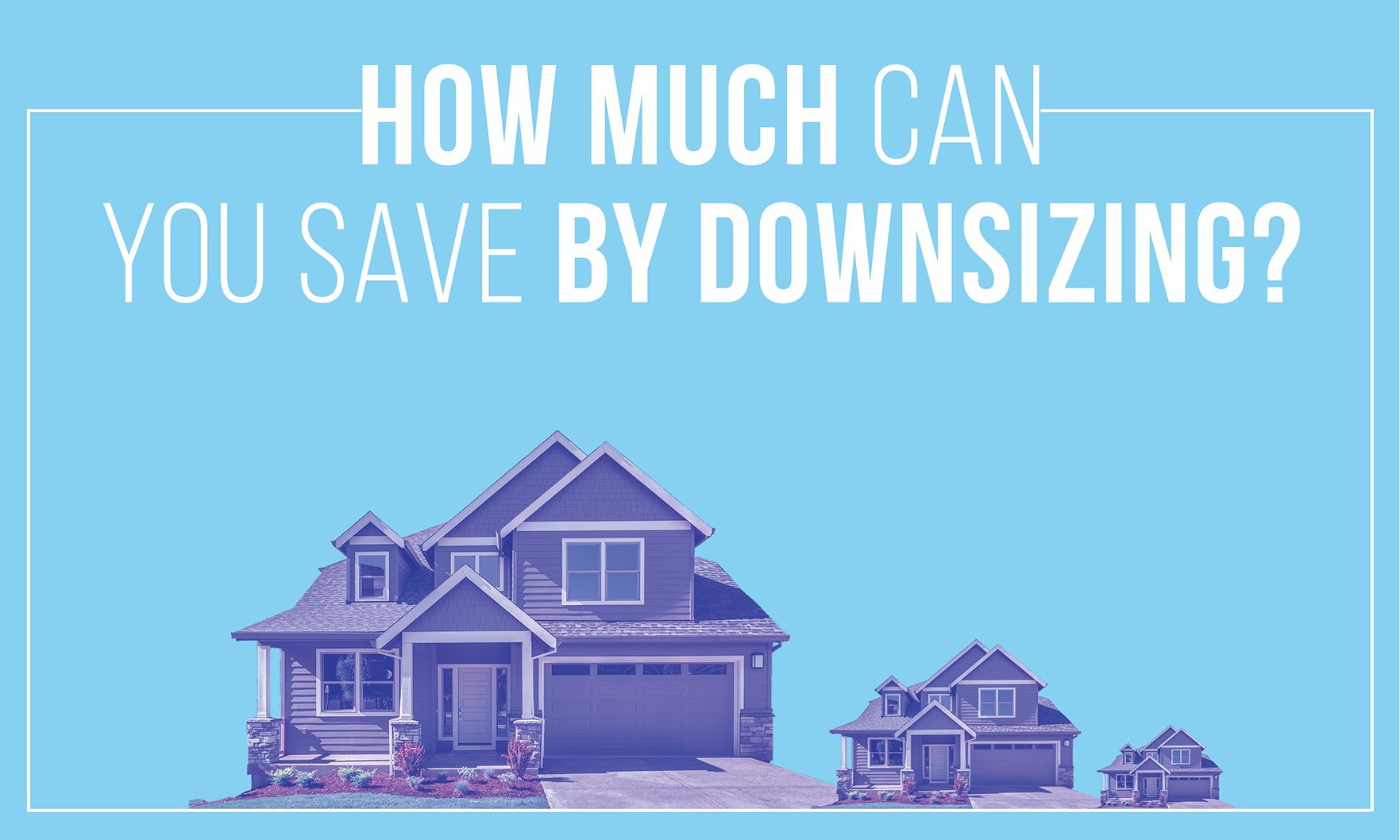
Property values continue to rise and those looking to downsize can make the most of the current market highs, but how much you can save by downsizing can vary significantly depending on where you live.

A new report shows the market cooled in August, at least in terms of the number of prospective buyers looking at homes.
The 10-city composite index rose 1.4% on a monthly basis and 19.1% on a yearly basis, while the 20-city composite gained 1.5% monthly and 19.9% annually.
Fewer buyers were looking for vacation homes in August, as the demand for second homes dropped for the third month in a row.

Today’s condo environment is a far cry from the first days of the pandemic, when people were told to stay home and stay away from one another.
The seasonally adjusted estimate of new houses for sale at the end of July was 378,000, representing a supply of 6.1 months at the current sales rate.