
News / Features

A higher percentage of black and Hispanic individuals say their housing has been impacted by COVID-19, according to a new survey
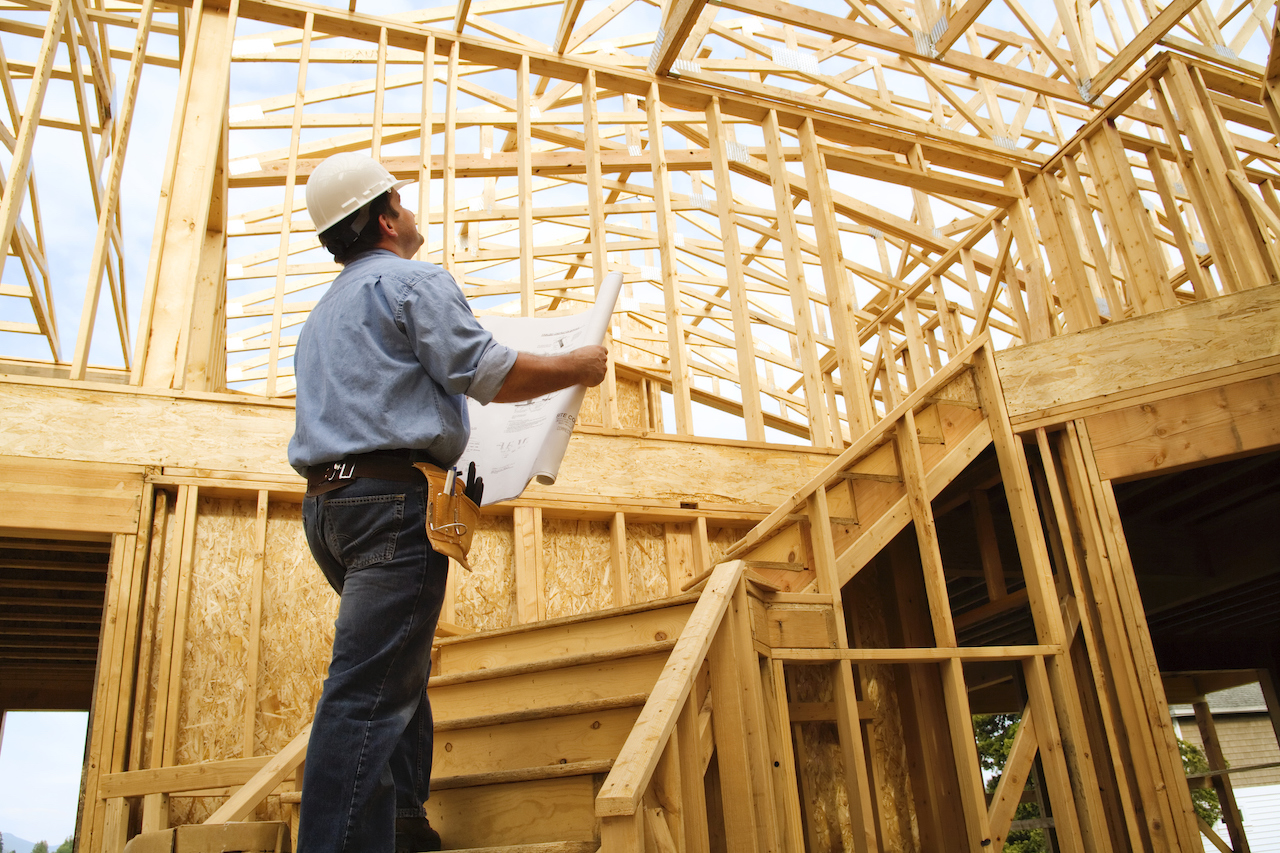
In a sign of continued forward momentum, single-family permits posted an 11.9% gain in May, while builder sentiment jumped 21 points in June.

It’s time to celebrate Pride Month and the recent U.S. Supreme Court decision for workplace equality. What better way than to meet some members of the LGBTQ community at RE/MAX?

Atlanta’s making a good rebound in bidding wars, according to a new report.

Nationwide, home flippers saw a 36.7% return on their investment in the first quarter of 2020.

The latest CoreLogic report reveals the first measurable impact to the single-family rent market, pushing price growth to its lowest rate since the initial recovery of the Great Recession.

The survey of 1,500 adults also shows that the inability to tour properties in-person because of COVID-19, was the most common reason (42%) respondents chose not to move.
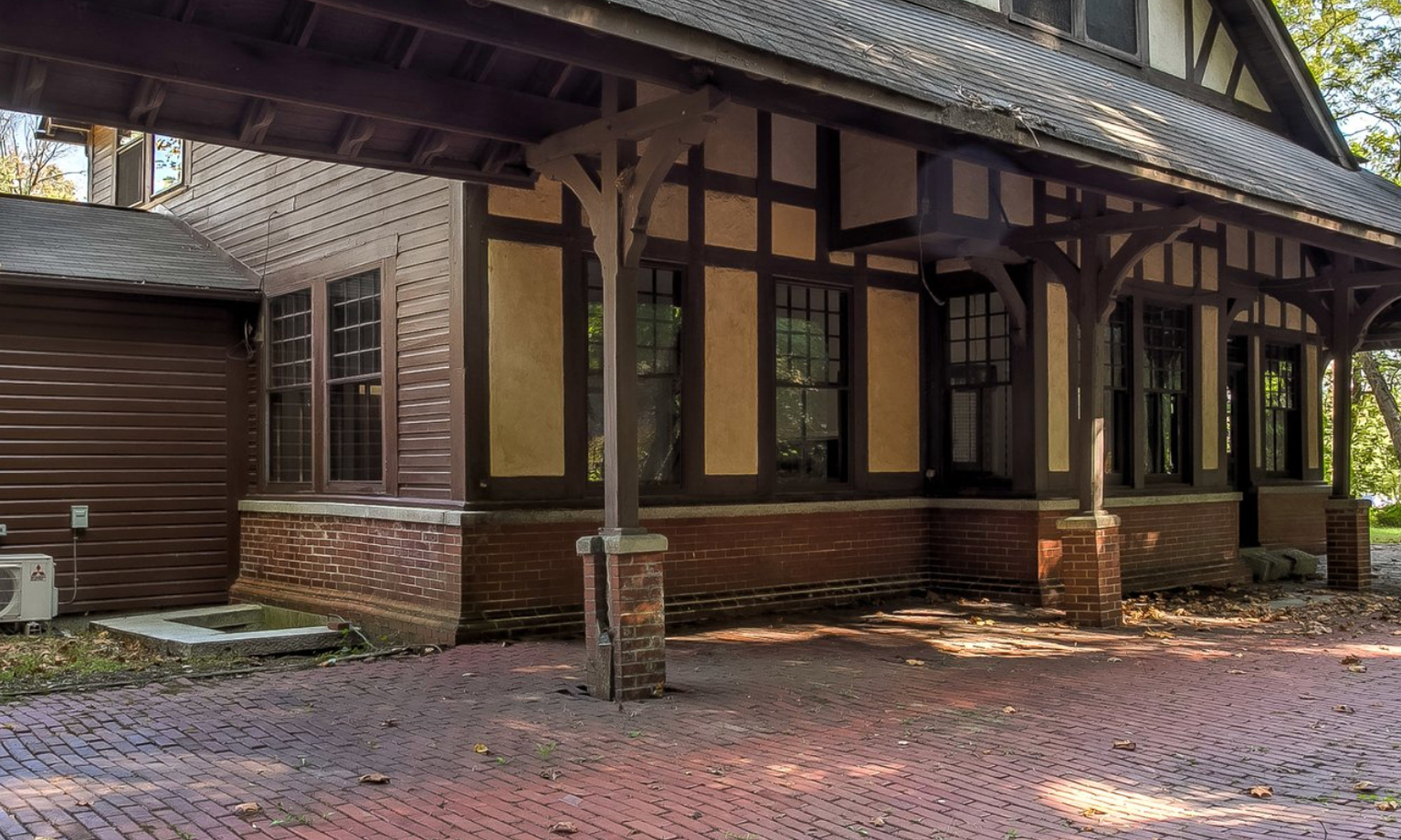
Residents will be delighted by the station’s original ticket booth and stained-glass windows.

A new national consumer study reveals radical changes in how Americans want to live in their homes, post-pandemic.
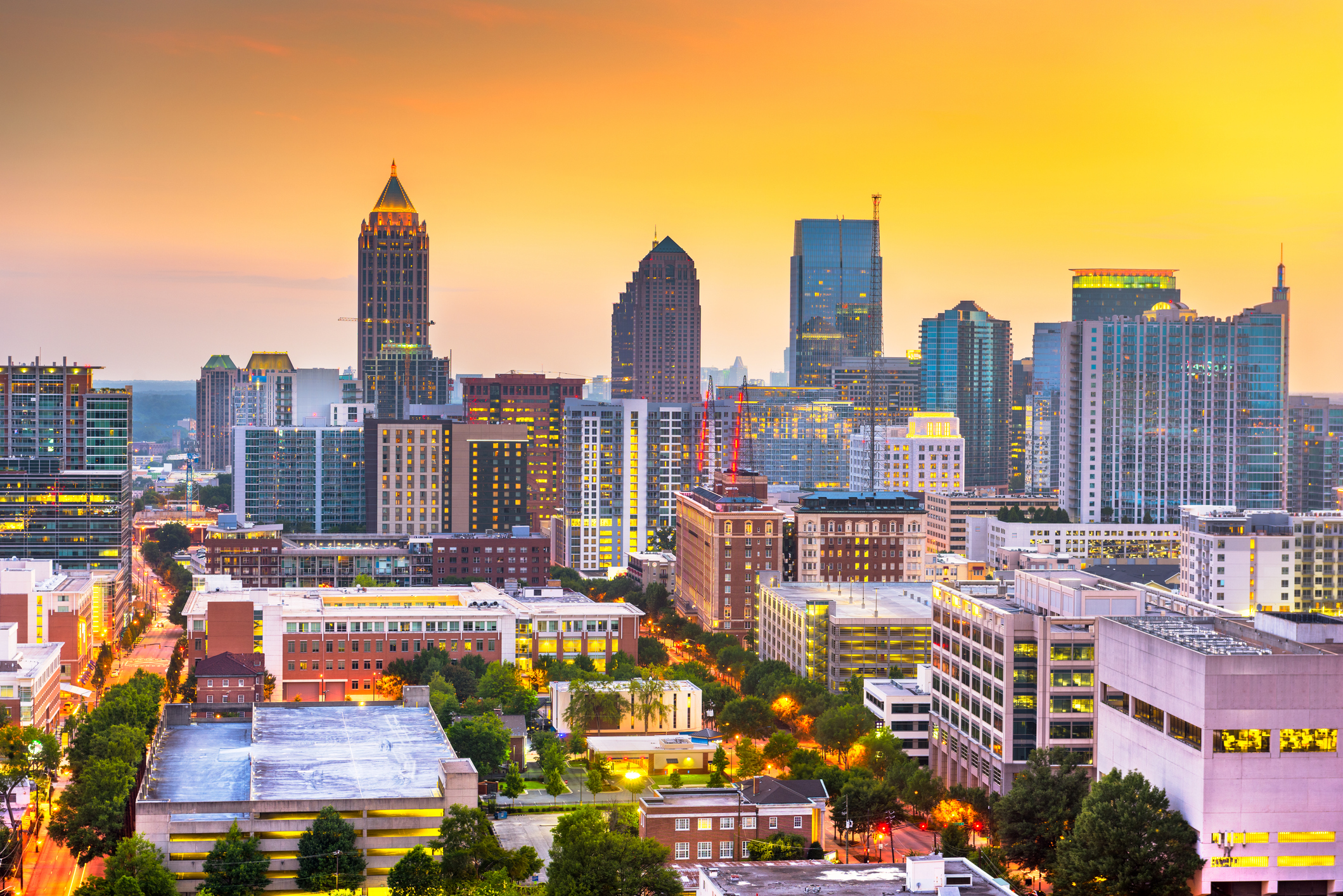
Pending sales bounced back in a big way in May, according to a report by Georgia MLS.

The market recovery continues amid nationwide protests.
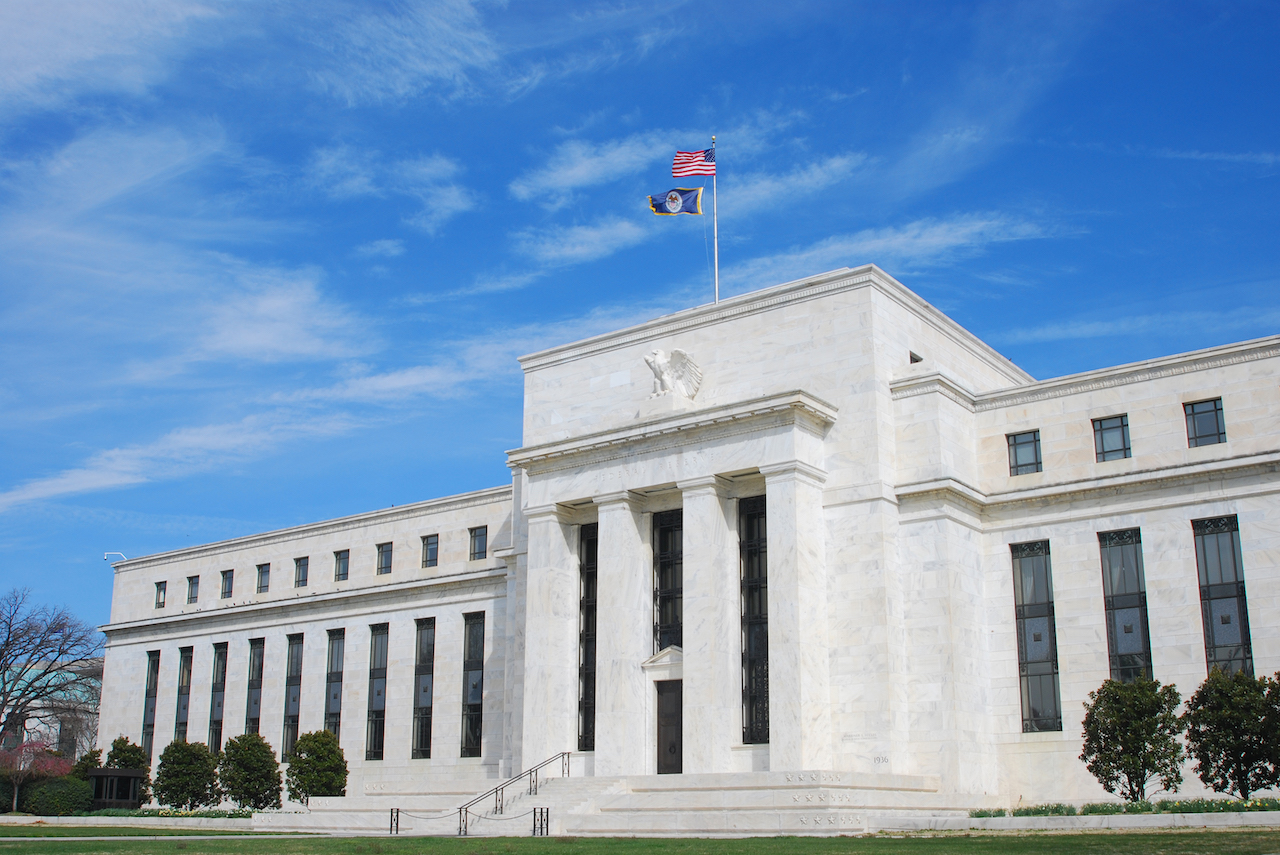
The fact that interest rates will remain at or near 3% for the next three years could boost the housing industry.
“Homeownership has already been delayed for many millennials and the coronavirus could push the timetable even further out for some.” — Danielle Hale, chief economist, realtor.com

Home price and equity growth in the months leading up to the pandemic have helped to delay the impact of the recession on the mortgage market, although the effects are expected to continue to unfold over the next year.

At a listing price of $399,000, it’s a miracle, perhaps, that this home hasn’t been snatched up already.

The latest jobs report shows an unexpected upswing in May, and industry experts predict housing will lead the way to economic recovery.