
By the Numbers
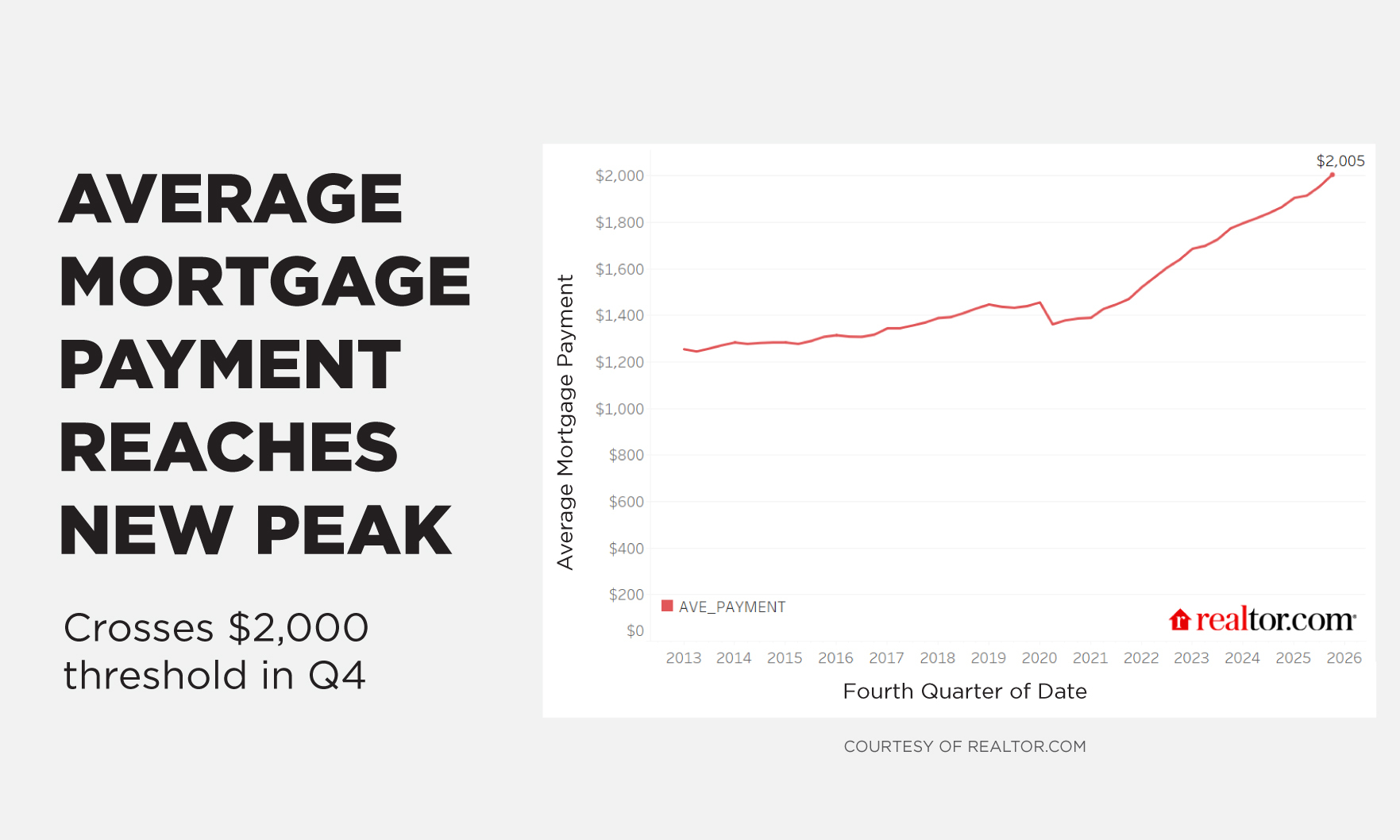
The average monthly payment on an outstanding home loan reached $2,005 in the fourth quarter of 2025, according to Realtor.com’s latest data based on FHFA figures.
March sales activity was up significantly on a monthly basis but was more mixed on an annual one.
S&P Dow Jones Indices noted that inflation outpaced national home-price appreciation for the eighth month in a row.
Nationally, home sales in the 51 metro areas surveyed by REMAX declined 3.2% year over year and rose 11.1% month over month.

Though the most lucrative week to list varies by city and region, spring is undoubtedly the smartest season to list.
Regionally, pending sales rose in the Midwest, South and West, and declined in the Northeast on a month-over-month basis.
Buyers who took a pause over the holidays are reentering the market, the MLS said.
U.S. home sales declined 6% year over year and 32% month over month in January, according to the latest REMAX National Housing Report.
With mortgage rates approaching 6%, 5.5 million additional buyers that could not qualify for a mortgage one year ago would qualify at today’s lower rates, the National Association of REALTORS® said.
After a precipitous drop in December, pending sales were up 8.9%, indicating buyers are beginning to reenter the market.

Lavender expected existing home prices to decline slightly in 2026 and resume growth in 2027 and 2028.

Zillow’s Home Value Index shows that in 13 of the past 20 years, home values in the metro area of the Super Bowl champion grew faster than the national average.
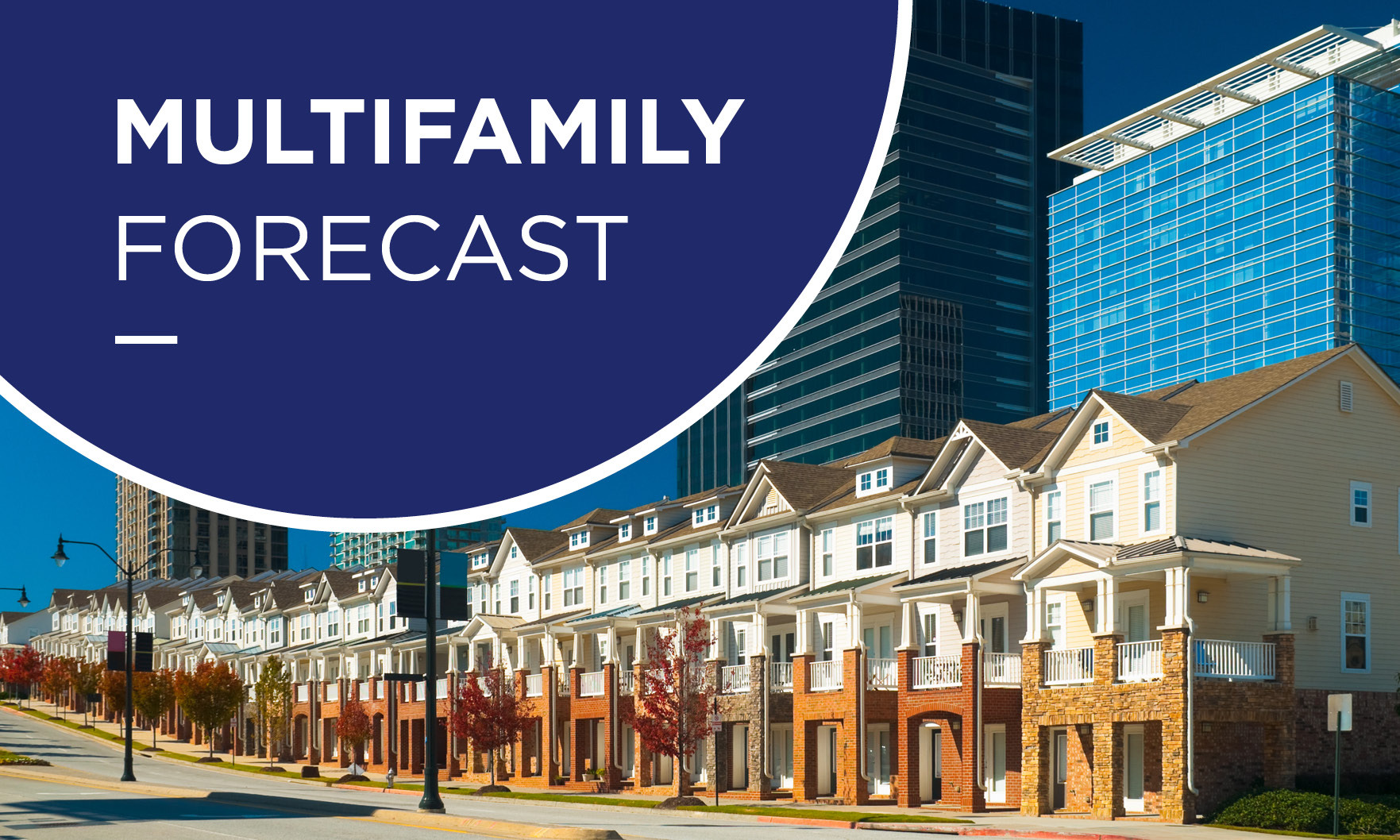
Atlanta will experience a projected 50% drop in new multifamily inventory this year, according to Marcus & Millichap’s 2026 Atlanta Multifamily Investment Forecast.

Atlanta offered prime conditions for buyers — meaning options abounded and price remained in check.

Among the socioeconomic factors putting Atlanta near the top was the city’s cost of living, which sits comfortably at 6% below the national average.

Middle-income seniors stand to be affected most by projected shortages — those who don’t qualify for subsidized housing but can’t afford new construction.