
Trends
For data-driven stories, to appear under “Trends” menu

Among the socioeconomic factors putting Atlanta near the top was the city’s cost of living, which sits comfortably at 6% below the national average.

Middle-income seniors stand to be affected most by projected shortages — those who don’t qualify for subsidized housing but can’t afford new construction.

Affordability challenges continue to bedevil homebuyers, despite mortgage rates falling to a three-year low, the National Association of Home Builders reported.
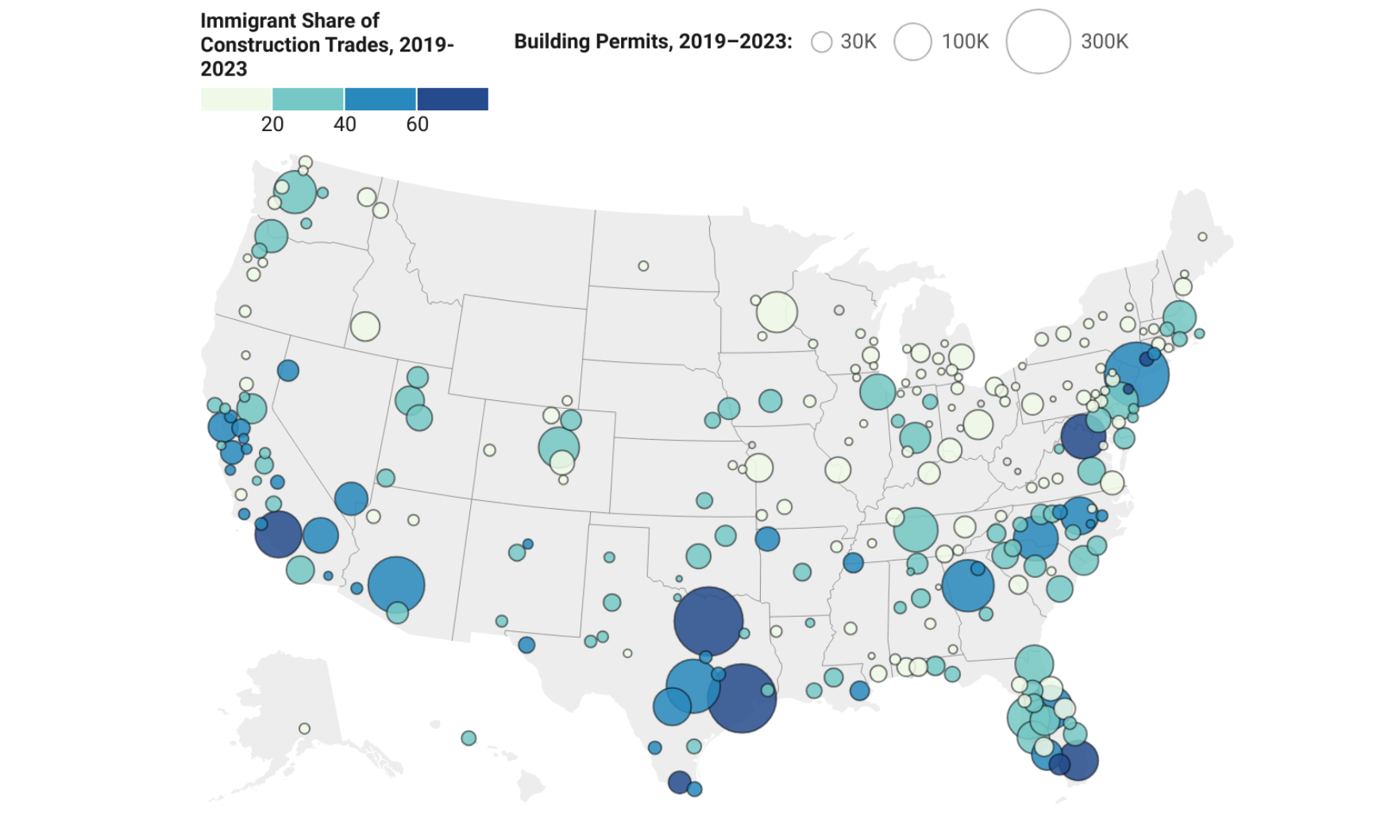
Research showed a disproportionately high share of foreign-born workers active in the construction trades nationally in 2024.
Sales of existing homes jumped 5.1% month over month, topping analyst expectations.

Access to musical events and industry jobs might drive Atlanta’s high artist population.
Contract signings were up in all four U.S. regions.

Evidence points to home shoppers prioritizing the experiences they’ll have in their home over the style or size, Zillow said.

The NAHB’s monthly survey found the nation’s homebuilders remain optimistic about home sales next year.
Midwestern and southern metros may dominate buyer interest in 2026, according to the National Association of REALTORS®.

Atlanta placed No. 4, just behind Miami and Orlando, Florida, and Las Vegas.
Young residents emerged as drivers of population change in growing counties.
Geographically, trends varied widely, with formerly hot areas like Florida and the Southeast posting the deepest declines and formerly cool areas, like the Midwest, showing healthy gains.

Spa-style amenities, customizable lighting options, integrated technology, storage solutions — and ample space for these features — all surfaced as top trends.
By region, sales rose in the Midwest, Northeast and South but fell in the West.
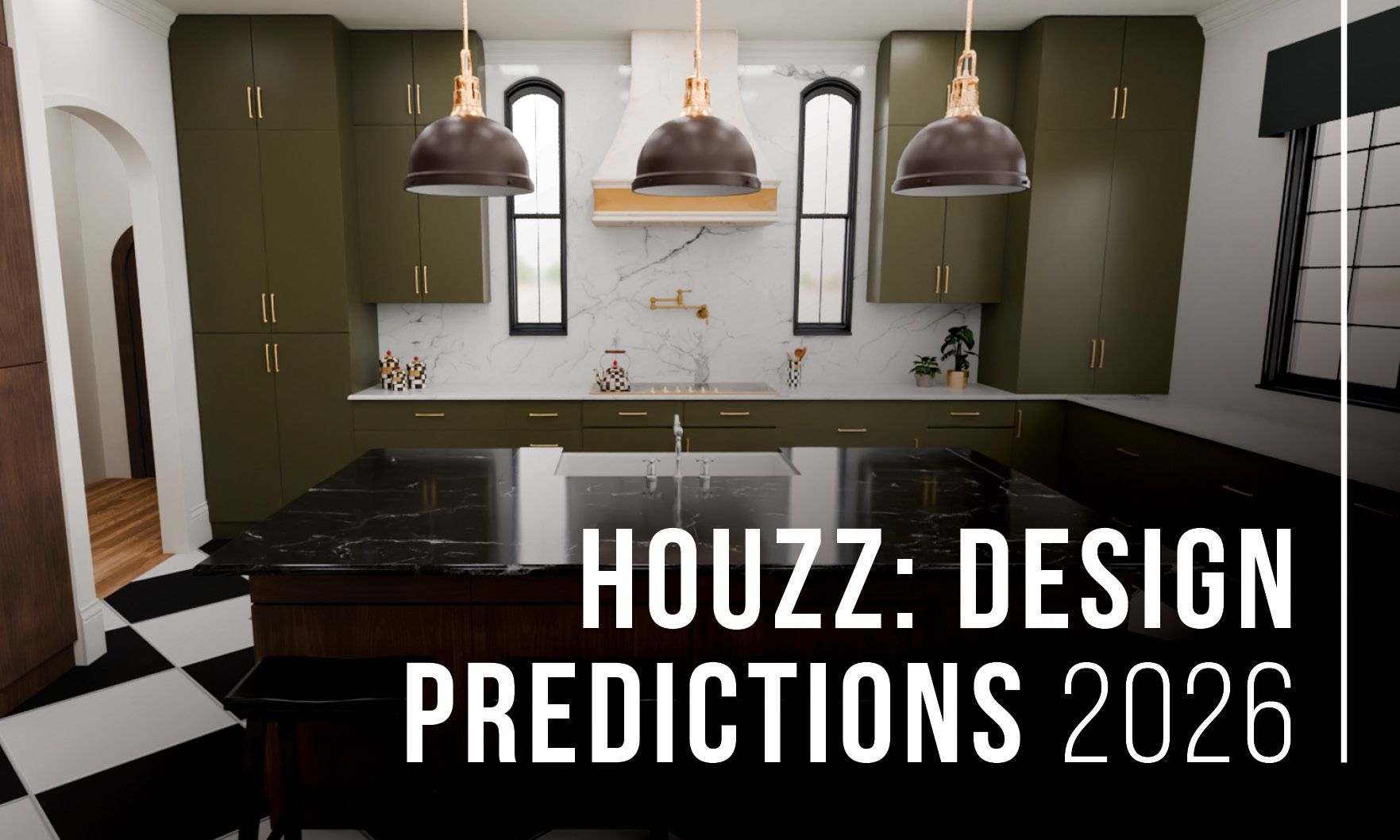
Bold, geometric designs like chevrons, sunbursts, zigzags and stepped shapes are making a huge comeback as of late — and Houzz said that will continue into 2026.