
Current Market Data

Contract activity up over last year “remarkable,” according to NAR chief economist.

Amid high unemployment and continued pandemic woes, home price growth remained stable in May.
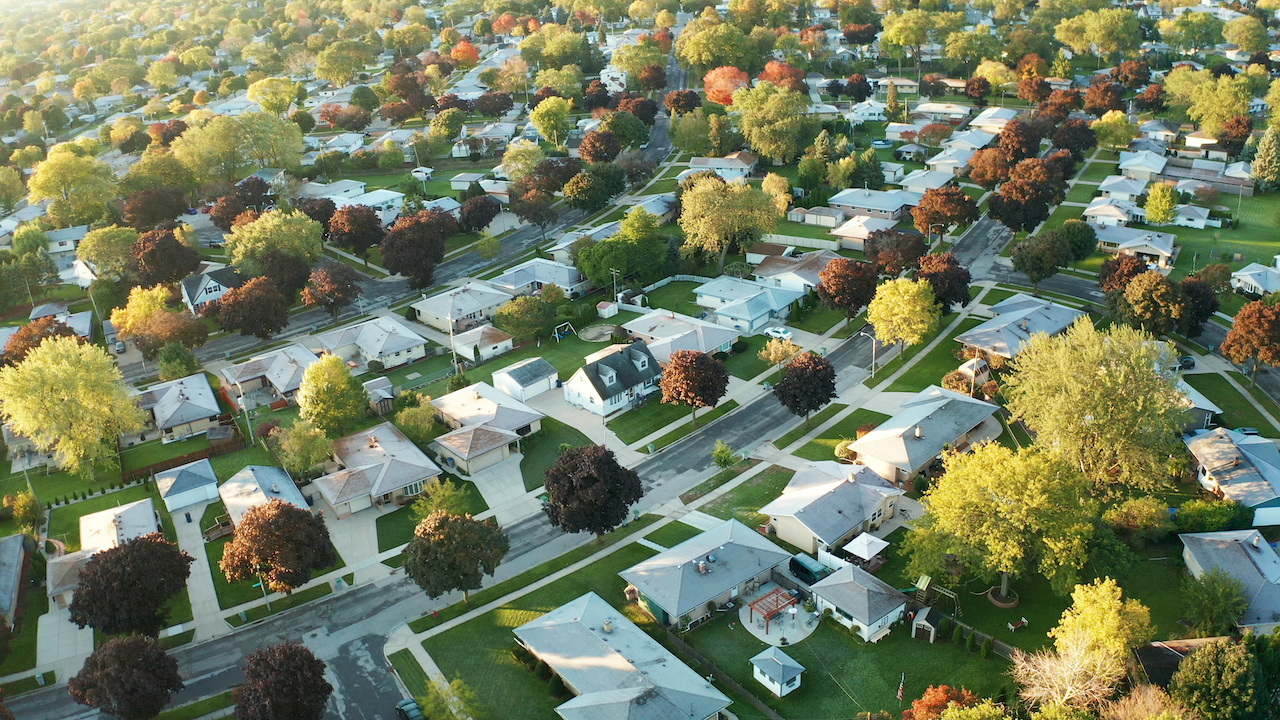
The supply and demand imbalance that existed entering the pandemic has worsened, insuring house price growth will likely remain strong this summer.

Zillow reports that homes typically went under contract in two weeks.

The coronavirus pandemic is causing homebuyers to rethink what they want in a home, with more people relocating to places where they can afford more outdoor space and room for home offices, according to a new report.
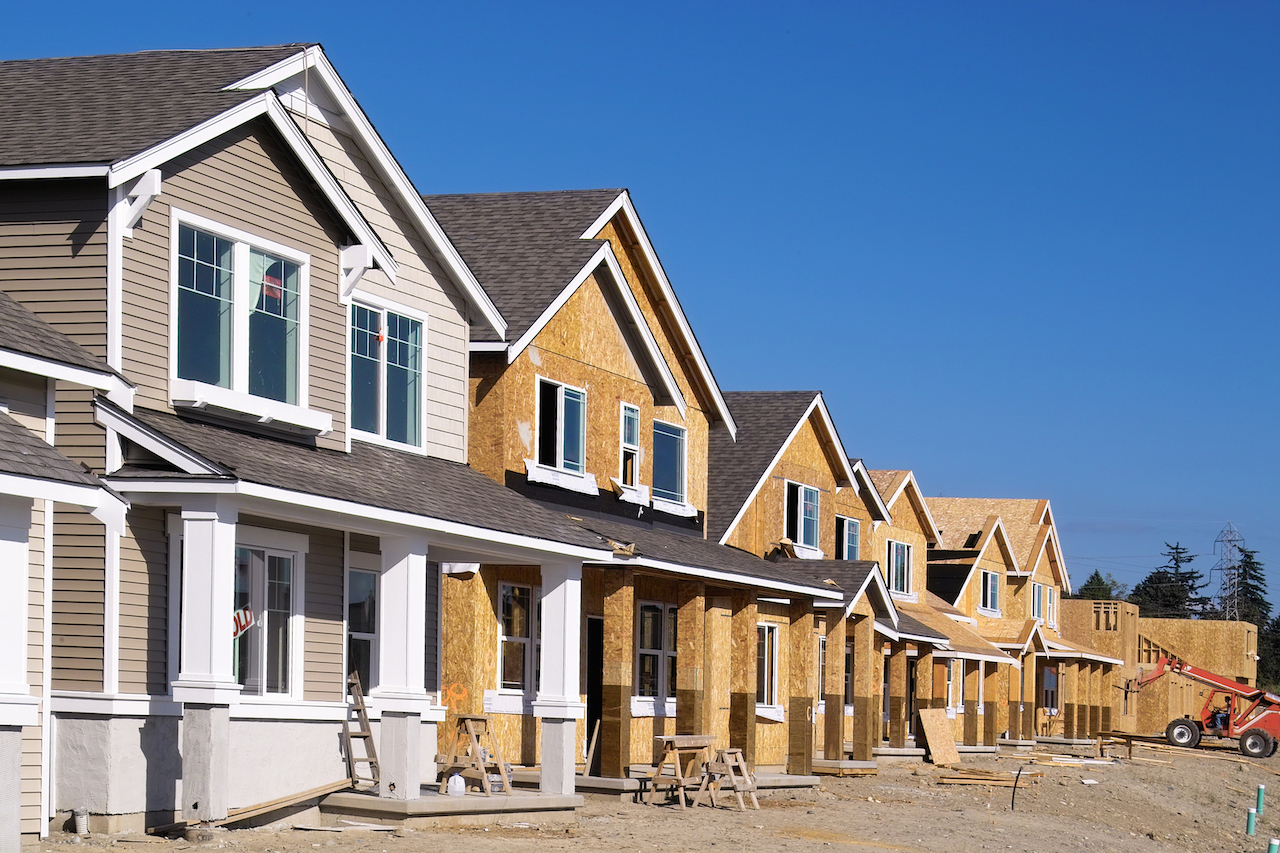
New single-family home sales climbed in June, supported by low interest rates, a renewed consumer focus on the importance of housing and rising demand in lower-density markets like suburbs and exurbs.

Homes across the state of Georgia saw a rebound, especially those priced at over $200,000.

See how the South did last month compared to the rest of the nation.

Rent price growth for single-family homes in May slowed to its lowest level since 2010.

“Today’s market remains tipped in favor of sellers as would-be spring buyers are shopping well into what would normally be summer vacation season,” said Danielle Hale, chief economist for realtor.com.

Inventory hits a record low in June, according to RE/MAX, which reports that nationwide the supply is now under two months.
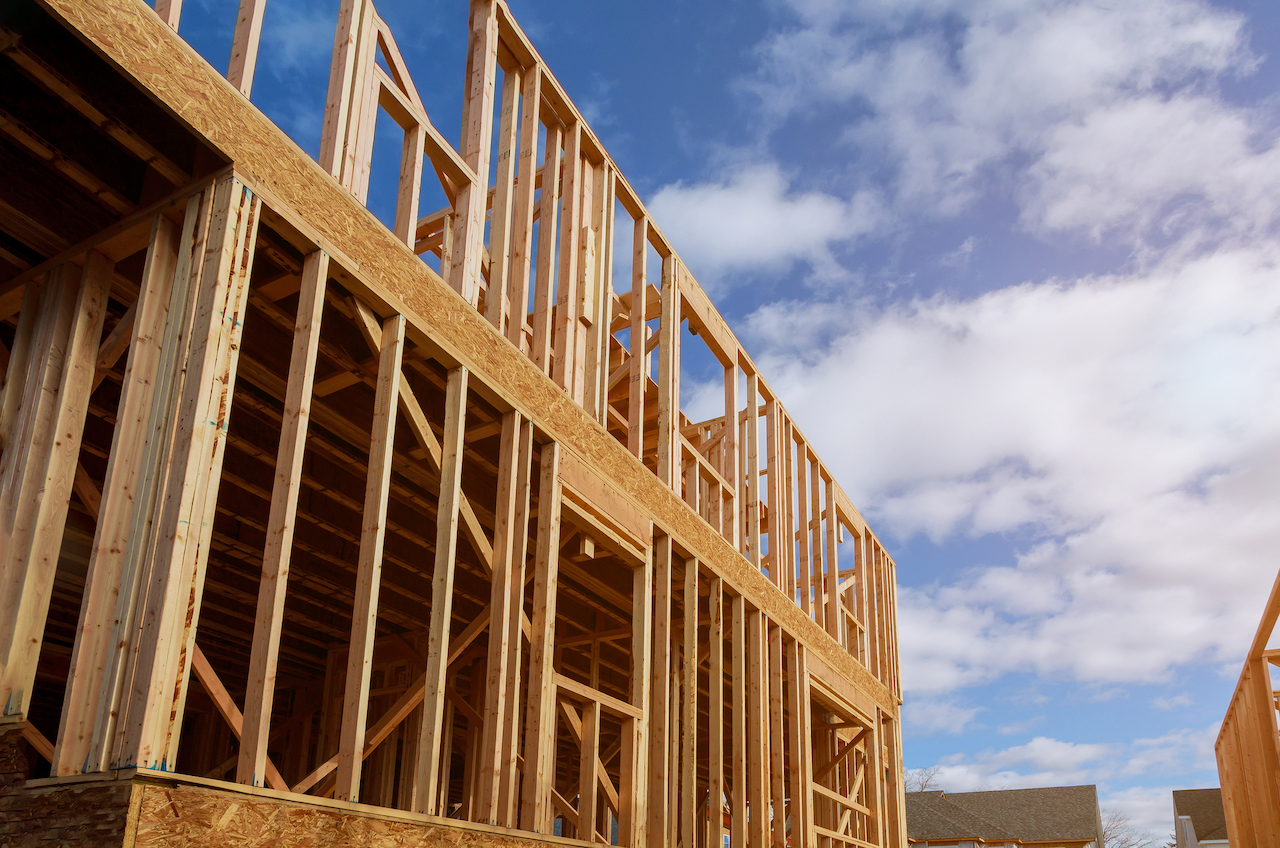
Housing starts are up and builders are building again, but is it enough to address pent-up demand for homes as Americans flee to the suburbs?

Those who jumped into the market in the spring were rewarded, and their success could attract more sellers.

As the housing market recovers in fits and starts, the long-term outlook remains positive, thanks to a slow looming wave of millennial household formation.

The National Association of Realtors is increasing its efforts to address discrimination and bias in the industry, following Newsday investigation and nationwide protests.

A new report from CoreLogic shows the ripple effect of the pandemic-induced recession, as massive job losses lead to past-due mortgages.